






What's Happening?
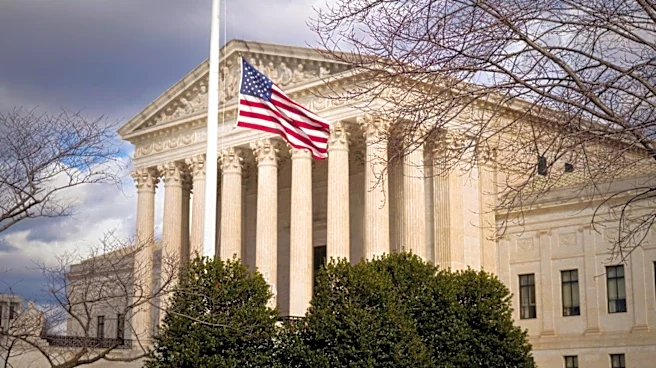
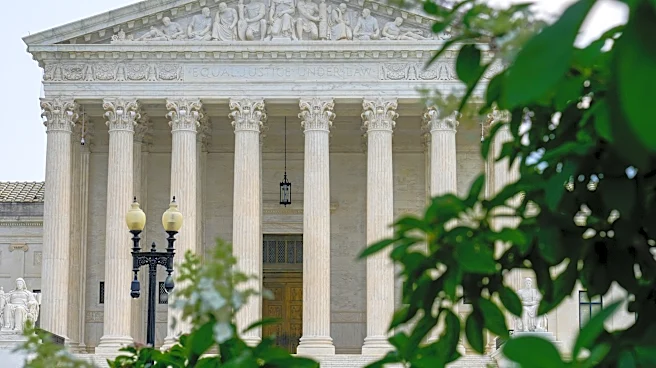
The Supreme Court recently decided two significant Second Amendment cases, United States v. Hemani and Wolford v. Lopez, marking the first time since District of Columbia v. Heller that multiple Second Amendment cases were decided in a single term. In
Hemani, the court unanimously ruled that the federal government could not prohibit a marijuana user from possessing a firearm, rejecting historical analogues of disarming habitual drunkards. In Wolford, the court struck down a Hawaii law restricting firearms on private property without explicit consent, citing a lack of historical precedent.
Why It's Important?
These decisions underscore the evolving interpretation of the Second Amendment and its implications for firearm regulations. The rulings reflect the court's shift towards a historical tradition framework for evaluating Second Amendment challenges, moving away from means-end scrutiny. This approach could influence future cases and legislative efforts, potentially impacting gun control measures across the country. The decisions highlight the ongoing debate over the balance between individual rights and public safety in the context of firearm ownership.
What's Next?
The court's decisions set the stage for further legal challenges and clarifications regarding the scope of the Second Amendment. Future cases may address unresolved questions, such as the definition of 'Arms' and the historical context for firearm regulations. The upcoming term will likely see continued scrutiny of gun laws, with potential implications for state and federal regulations. Legal experts and policymakers will closely monitor these developments to assess their impact on gun rights and public safety.