






What's Happening?
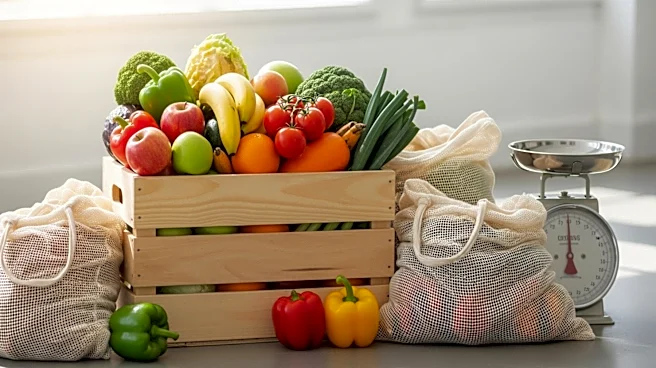
In New York City, Refettorio Harlem is pioneering a unique initiative to combat food waste and provide gourmet meals to the community. The program takes donated food that would otherwise be discarded and transforms it into high-quality, four-course meals.
This initiative not only addresses food insecurity but also offers a dignified dining experience for those in need. The program is part of a broader effort to redefine community feeding by providing restaurant-quality meals to anyone who visits, regardless of their financial situation.
Why It's Important?
This initiative is significant as it tackles multiple societal issues simultaneously. By repurposing food that would otherwise contribute to waste, Refettorio Harlem is addressing environmental concerns related to food waste. Additionally, the program provides a solution to food insecurity, offering nutritious meals to those who might not have access otherwise. This approach also challenges the stigma associated with food assistance by offering a dignified dining experience. The program could serve as a model for other communities looking to address similar issues, potentially influencing public policy and community programs across the U.S.
What's Next?
The success of Refettorio Harlem could inspire similar initiatives in other cities, encouraging partnerships between food donors and community organizations. As awareness of the program grows, it may attract more volunteers and donors, expanding its reach and impact. Additionally, the program could influence policy discussions on food waste and food insecurity, prompting legislative support for similar community-based solutions.
Beyond the Headlines
Beyond its immediate impact, the program highlights the potential for innovative solutions to systemic problems like food waste and hunger. It raises questions about the role of community organizations in addressing social issues and the potential for public-private partnerships to drive change. The initiative also underscores the importance of viewing food assistance through a lens of dignity and respect, which could shift cultural perceptions and reduce stigma.