





What's Happening?
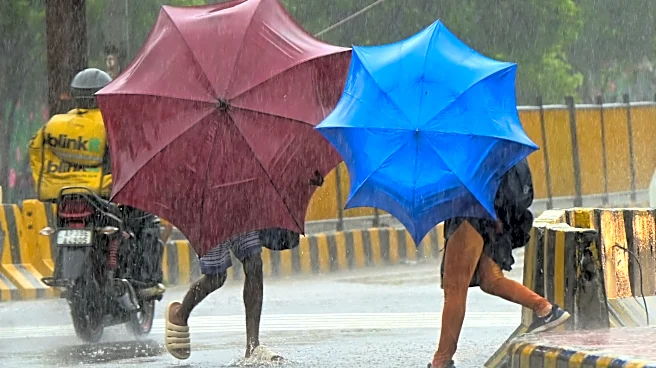
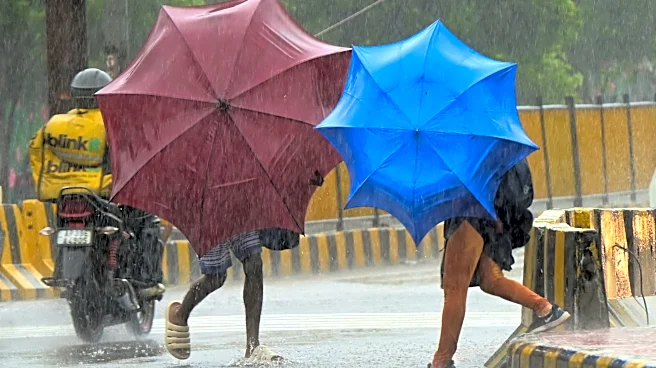
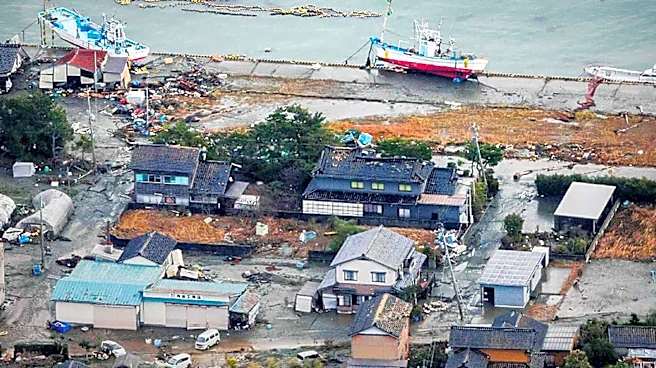
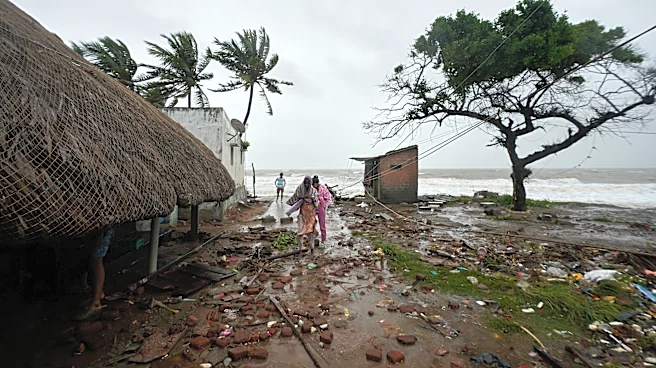
Cyclone Arnab has caused significant destruction in Odisha and Andhra Pradesh, leading to the evacuation of over 55,000 people across nine districts in Odisha. The Odisha Government has deployed more than 300 disaster response teams for rescue operations
in flood-hit areas, including Ganjam. In Andhra Pradesh, Chief Minister N. Chandrababu Naidu reported an estimated loss of ₹4,600 crore based on preliminary assessments. Rail services on the Howrah-Chennai route were disrupted due to the swollen Bahuda river in Odisha's Ganjam district, resulting in the cancellation of 36 trains, diversion of 30, and rescheduling of eight. Relief efforts in cut-off villages in Ganjam are being conducted via helicopter, with Chief Minister Mohan Charan Majhi conducting an aerial survey of affected regions.
Why It's Important?
The impact of Cyclone Arnab highlights India's vulnerability to natural disasters, particularly cyclones, which frequently affect its extensive coastline. The significant economic losses in Andhra Pradesh and the widespread displacement in Odisha underscore the severe socio-economic consequences for affected communities. Disruptions to critical infrastructure, such as rail services, demonstrate the broader impact on regional connectivity and commerce. The ongoing need for large-scale rescue and relief operations also strains government resources and emphasizes the importance of robust disaster preparedness and response mechanisms. The recurring nature of such events in the Bay of Bengal region necessitates continuous investment in early warning systems and resilient infrastructure to mitigate future damage and protect livelihoods.
What's Next?
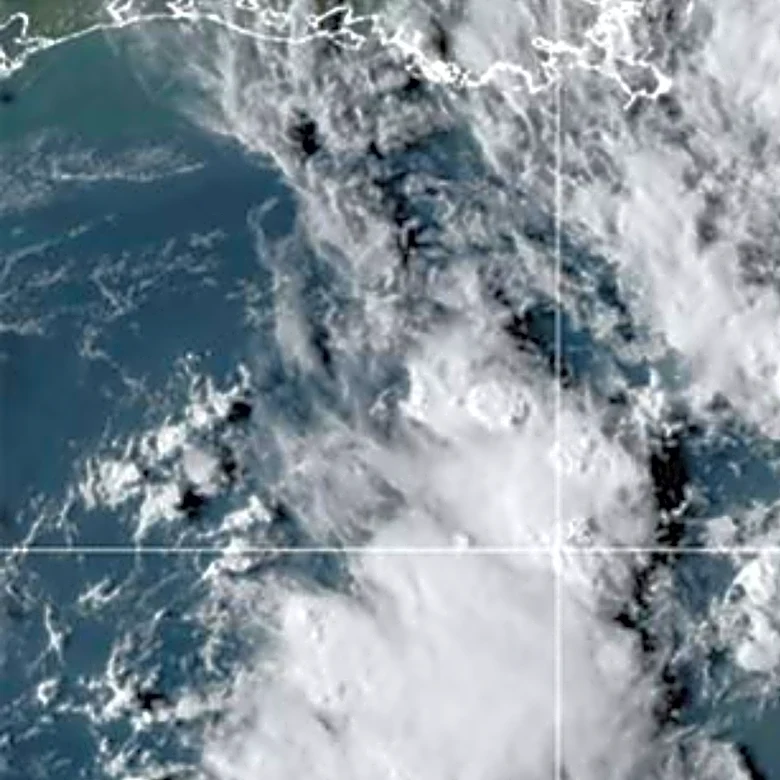
While Cyclone Arnab's intensity is diminishing inland, a new low-pressure area has formed over the Andaman Sea, with the potential to develop into a depression around October 31 and move towards the Andhra Pradesh coast. This new weather system raises concerns about further atmospheric activity and potential adverse weather conditions in the coming days. Meteorologists will closely monitor its movement and intensity to determine if it will escalate into another significant cyclonic event. Coastal communities, fishermen, and marine operators are advised to remain vigilant and follow official weather advisories. Restoration efforts in areas affected by Cyclone Arnab are ongoing, with approximately 1,700 personnel engaged in Andhra Pradesh, supported by an additional 500 electricity employees from Telangana.
Beyond the Headlines
The frequent occurrence of severe cyclones like Arnab in the Bay of Bengal region points to deeper environmental and climate-related challenges. The Bay of Bengal's geographical features, warmer sea surface temperatures, and unique oceanic conditions, including a shallow upper ocean layer and freshwater barrier layer, contribute to the formation and intensification of these storms. These factors trap thermal energy in subsurface layers, fueling intense evaporation and cyclogenesis. The increasing frequency and intensity of such events are consistent with broader climate change trends, which threaten to exacerbate risks in already vulnerable developing nations like India. Addressing these underlying environmental factors and enhancing climate resilience will be crucial for long-term protection against such devastating natural phenomena.