






What's Happening?
NATO is facing challenges in adapting to modern warfare tactics involving inexpensive loitering munitions, commonly known as one-way attack drones. According to Admiral Pierre Vandier, Supreme Allied Commander Transformation of NATO, the alliance has
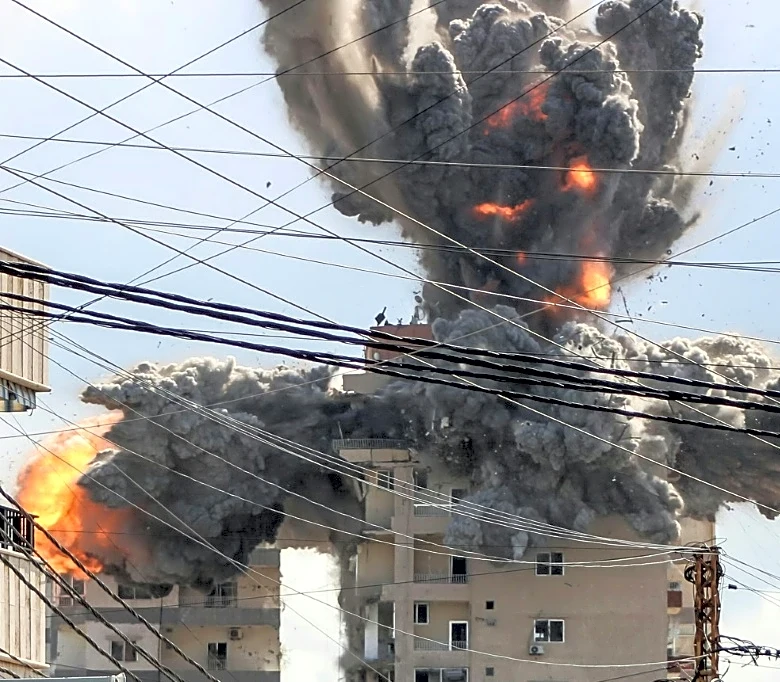
been slow to respond to the evolving threat posed by these drones, which have been used extensively by Russia against Ukraine and by Iran against the US and its allies in the Middle East. The use of these drones was first highlighted in 2019 when Iranian-designed Shahed drones struck Saudi Arabian oil facilities. Despite this early warning, NATO has not adequately prepared for large-scale drone attacks, relying instead on costly surface-to-air missiles that are inefficient against the relatively cheap drones. NATO has initiated joint efforts with Ukraine to develop low-cost defenses, including the establishment of the Joint Analysis Training and Education Centre (JATEC) to leverage real-time lessons from the ongoing conflict in Ukraine.
Why It's Important?
The increasing use of inexpensive drones in warfare represents a significant shift in military strategy, challenging traditional defense systems. NATO's delayed response to this threat could have serious implications for its member states' security, as these drones can effectively target critical infrastructure at a low cost. The alliance's reliance on expensive missile systems is not sustainable against the mass deployment of cheap drones, highlighting the need for innovative defense solutions. Ukraine's experience in countering these threats provides valuable insights for NATO, emphasizing the importance of adapting to new warfare technologies. The situation underscores the necessity for NATO to modernize its defense strategies to maintain its military effectiveness and protect its member nations from emerging threats.
What's Next?
NATO is expected to continue its collaboration with Ukraine to develop effective counter-drone strategies. The alliance may increase investments in research and development of affordable air defense systems to counter the drone threat. Additionally, NATO might expand its training programs to incorporate lessons learned from Ukraine's battlefield experiences. As the threat from drones continues to evolve, NATO will likely prioritize the integration of new technologies and tactics into its defense planning. The alliance's ability to adapt to these changes will be crucial in maintaining its strategic advantage and ensuring the security of its member states.
Beyond the Headlines
The rise of drone warfare raises ethical and legal questions about the conduct of military operations. The use of drones for targeted strikes blurs the lines between combatants and non-combatants, potentially leading to increased civilian casualties. Furthermore, the proliferation of drone technology could lead to an arms race, with more countries developing and deploying these systems. This shift in warfare dynamics may also influence international relations, as nations seek to balance the benefits of drone technology with the risks of escalation and unintended consequences. The situation calls for a reevaluation of international laws and norms governing the use of drones in conflict.