






What's Happening?
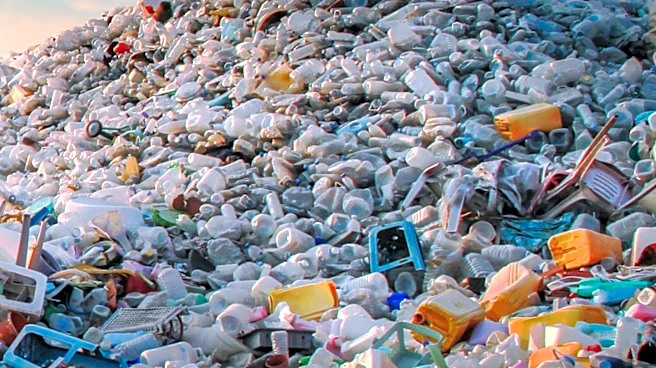
Since China banned plastic waste imports in 2018, several Latin American countries have become 'plastic pollution hotspots' due to increased imports of difficult-to-recycle plastics and inadequate waste management infrastructure. A recent study identified
the Dominican Republic, Guatemala, Honduras, Mexico, Nicaragua, Panama, and Paraguay as particularly affected. Thousands of tons of plastic waste are entering the environment daily, leading to severe public health consequences. This includes contamination of water sources, increased risk of diseases like dengue fever and malaria due to blocked drainage creating mosquito breeding grounds, and exposure to hazardous chemicals. Over 16,000 different chemicals, including plasticizers, flame retardants, and PFAS ('forever chemicals'), are used in plastics, with potential health impacts such as genotoxicity and pulmonary fibrosis. Open burning of plastic waste, a common disposal method, releases poisonous dioxins and carcinogens like benzene and styrene, exacerbating air pollution and associated mortality rates. Endocrine-disrupting chemicals in plastics can also have long-lasting health effects, potentially passed to future generations. Microplastics, resulting from decomposing waste, have been found in drinking water and commercial seafood, and are implicated in various cancers.
Why It's Important?
The surge in plastic waste in Latin America highlights a critical global environmental justice issue, where countries with limited waste management capacity bear the burden of waste from more developed nations, a phenomenon described as 'waste colonialism.' This situation has profound implications for public health, particularly for vulnerable communities living near dump sites and waterways, who face direct exposure to contaminated water and air. The health impacts, ranging from genetic damage and respiratory illnesses to increased incidence of vector-borne diseases and potential links to cancer, underscore the urgent need for comprehensive solutions. Economically, the strain on overstretched waste management systems in these countries diverts resources that could be used for other public services. The problem also exposes the limitations of current recycling efforts, as much of the imported plastic is hard to recycle, making reduction in plastic production a more viable long-term solution. The ongoing global plastics treaty talks are crucial, as they represent an opportunity to establish legally binding regulations that address the full life cycle of plastics, including production, rather than solely focusing on downstream waste management.
What's Next?
The next round of talks for a global plastics treaty is scheduled for March 2027. Campaigners and a majority bloc of Latin American nations (GRULAC) are advocating for a treaty that addresses the full life cycle of plastics, including production reduction. However, the influence of the petrochemical industry lobby remains a significant concern, potentially hindering ambitious agreements. Some Latin American countries, such as Chile and Colombia, have already implemented extended producer responsibility laws and legislation to phase out single-use plastics. Uruguay has mandated recycled content in beverage bottles, and Costa Rica has national strategies for single-use plastics and marine litter. These regional efforts demonstrate a proactive approach, but a global, legally binding treaty is seen as the most durable solution to regulate plastic across its entire life cycle. The outcome of the 2027 treaty talks will be critical in determining the future trajectory of plastic waste management and its associated public health and environmental impacts globally.
Beyond the Headlines
The crisis in Latin American plastic pollution extends beyond immediate health and environmental concerns, revealing deeper ethical and systemic issues. The concept of 'waste colonialism' highlights the inequitable distribution of environmental burdens, where wealthier nations export their waste problems to less developed countries. This practice not only exacerbates existing vulnerabilities but also undermines the sovereignty and environmental integrity of recipient nations. The reliance on recycling as a primary solution is increasingly being exposed as a 'mirage,' as much plastic is inherently unrecyclable or economically unfeasible to process, shifting the focus towards the necessity of reducing plastic production at its source. Furthermore, the strong ties between plastic production and the fossil fuel economy mean that addressing plastic pollution also intersects with climate change mitigation efforts. The presence of endocrine-disrupting chemicals in plastics, with potential intergenerational health effects, raises profound ethical questions about the legacy we are leaving for future generations. The ongoing struggle for a global plastics treaty reflects a broader battle between corporate interests and public health and environmental protection, underscoring the need for robust international governance and accountability.