




What's Happening?
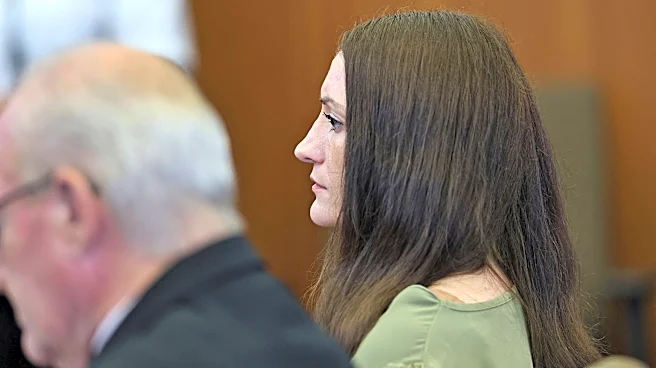
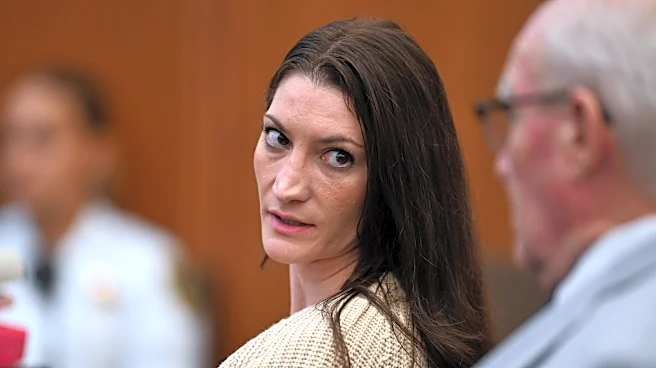
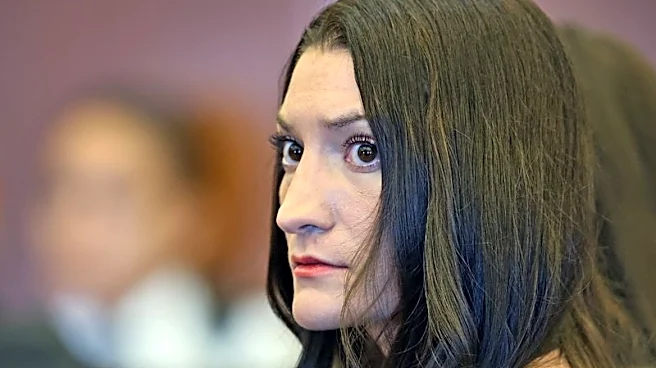
A federal judge has dismissed criminal charges against Kseniia Petrova, a Russian-born Harvard scientist, who was accused of smuggling frog embryos into the United States. The order from District Judge Leo T. Sorokin in Massachusetts came after federal prosecutors
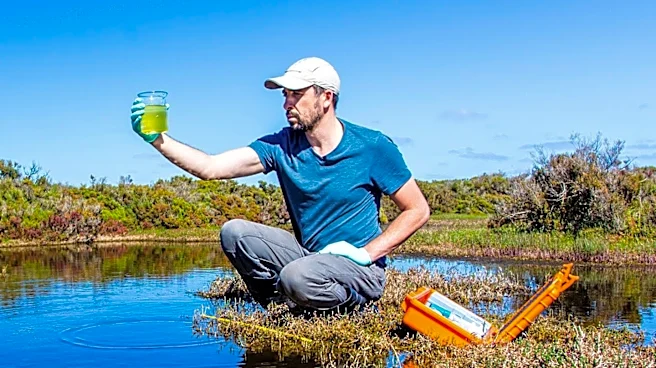
filed a petition to drop the charges. Prosecutors stated that while they believed Petrova's claims of vindictive and selective prosecution were 'meritless,' providing evidence to counter these claims would necessitate disclosing 'non-public information' about the operations and investigative techniques of U.S. Customs and Border Protection. Petrova's attorney, Daniel N. Marx, welcomed the dismissal, asserting that the Department of Justice should not have pursued the 'highly unusual' smuggling prosecution against his client, a biomedical researcher whose scientific samples, described as inert and non-toxic frog embryos, posed no danger.
Why It's Important?
This dismissal highlights significant concerns regarding prosecutorial discretion and the potential for overreach by federal agencies in cases involving scientific research. The prosecutors' reluctance to disclose information about U.S. Customs and Border Protection's operations to counter claims of vindictive prosecution raises questions about transparency and accountability within federal law enforcement. For the scientific community, this case underscores the challenges researchers, particularly foreign nationals, can face when transporting biological samples for legitimate research purposes, potentially impacting international scientific collaboration and the advancement of medical research. The outcome suggests a victory for academic freedom and due process, as two federal judges had previously indicated that the circumstances warranted further investigation into whether Petrova was unfairly targeted.
What's Next?
While the criminal charges against Ms. Petrova have been dismissed, the broader implications for scientific research and federal prosecution remain. The case may prompt discussions within legal and scientific communities about clearer guidelines for the transportation of biological materials and the protection of researchers from potentially unwarranted legal actions. It could also lead to increased scrutiny of the investigative techniques and operational transparency of agencies like U.S. Customs and Border Protection. For Ms. Petrova, the dismissal marks the end of a challenging legal ordeal, though the impact on her career and immigration status, following the unlawful cancellation of her J-1 scholar visa, will need to be fully addressed. The case may serve as a precedent for future legal challenges against what are perceived as vindictive or selective prosecutions in scientific contexts.
Beyond the Headlines
The case of Kseniia Petrova delves into the complex intersection of national security, scientific research, and individual rights. The initial detention and charges, despite the seemingly innocuous nature of frog embryos for research, reflect a heightened post-9/11 security environment where even academic activities can be viewed with suspicion. The prosecutors' decision to drop the charges rather than reveal operational details of a federal agency highlights a tension between national security interests and the right to a fair defense, raising questions about the balance of power. This incident could foster a climate of caution among international scientists working in the U.S., potentially hindering collaborative efforts on critical global health and scientific challenges. It also brings to light the vulnerability of foreign scholars to administrative and legal processes that can significantly disrupt their lives and careers, even when their intentions are purely academic.