






What's Happening?
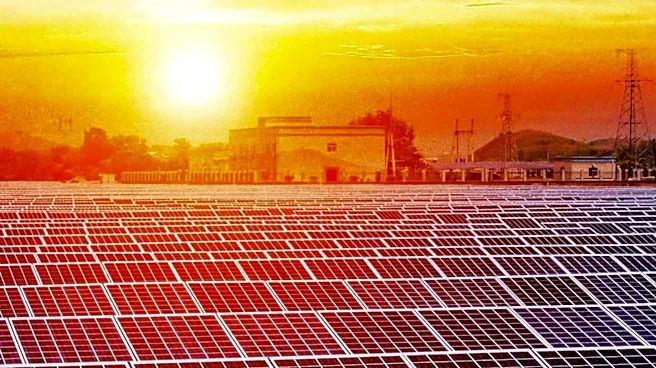
Ethiopia is advancing its energy strategy by incorporating nuclear power into its energy mix. The government has recognized the limitations of relying solely on hydro, wind, and solar power to meet long-term energy demands. Nuclear energy, being weather-independent,
offers a continuous power supply, essential for supporting heavy industries and technology hubs. The initiative aims to reduce carbon emissions and reliance on volatile fossil fuel prices. Ethiopia has entered into a strategic agreement with Russia's Rosatom State Corporation to develop its nuclear energy capabilities, focusing on building robust safety infrastructure and financial preparations.
Why It's Important?
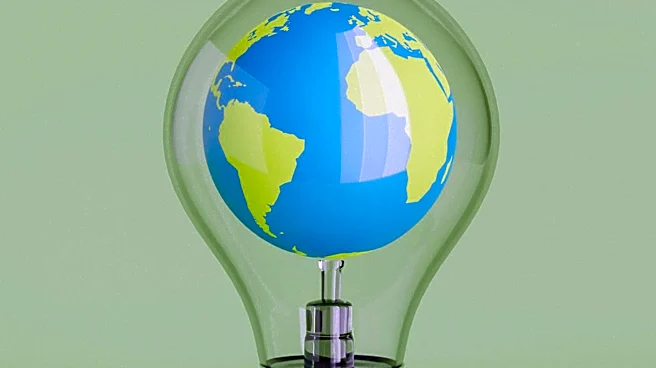
The development of nuclear energy in Ethiopia represents a significant step towards achieving energy security and sustainable economic growth. By diversifying its energy sources, Ethiopia aims to reduce its carbon footprint and enhance its resilience to fossil fuel market fluctuations. The initiative is expected to create job opportunities and support various sectors, including medicine, agriculture, and industry. Ethiopia's nuclear energy roadmap draws on global experiences, positioning the country as a leader in sustainable energy development on the African continent.
What's Next?
Ethiopia will continue to strengthen its nuclear energy infrastructure and regulatory framework in collaboration with international partners. The focus will be on ensuring safety and efficiency in the deployment of nuclear technology. As the country progresses in its nuclear energy journey, it will likely attract further investments and partnerships, contributing to its overall economic development. The success of this initiative could serve as a model for other African nations seeking to diversify their energy sources and achieve sustainable growth.