






What's Happening?
Public health specialists are increasingly exploring precision nutrition, an approach that examines why individuals respond differently to the same food or eating patterns due to factors like genetics, metabolism, and lifestyle. Several online nutrition courses
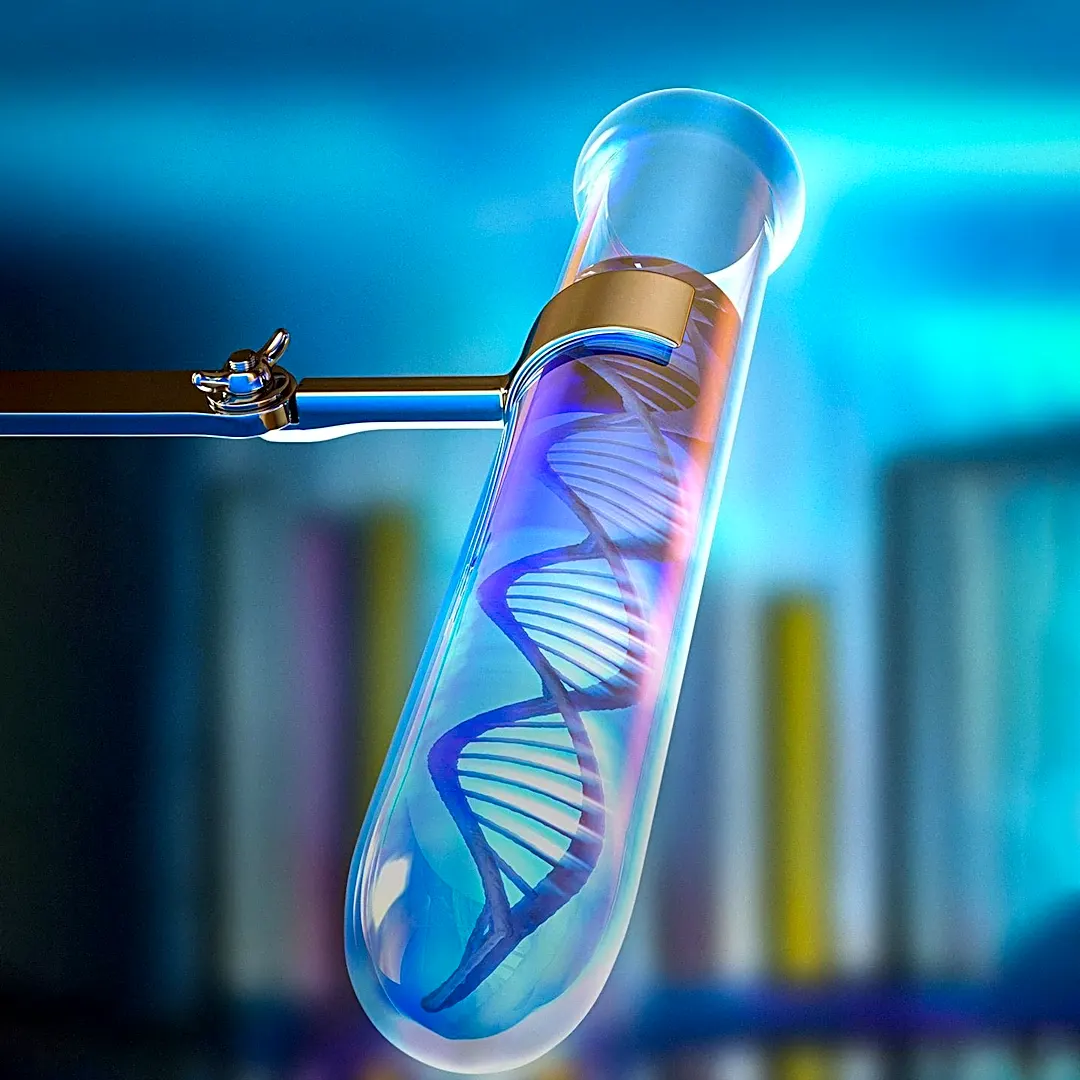
are now available to equip these professionals with the knowledge to integrate individual recommendations with population-level evidence. For instance, Arizona State University offers a Graduate Certificate in Medical Nutrition that includes nutrigenomics, focusing on how genetic differences influence dietary responses. Other programs from institutions like Duke University, Tufts University, and Harvard T.H. Chan School of Public Health also delve into areas such as lifespan nutrition, disease prevention, and behavior change in the context of personalized dietary strategies. These courses aim to provide scientific relevance, public health value, and practical application for professionals working in health and public health.
Why It's Important?
The growing emphasis on precision nutrition for public health specialists in the U.S. signifies a critical evolution in addressing chronic diseases and promoting wellness. Traditional dietary guidelines often fall short because they don't account for individual variability. By understanding how genetics and other personal factors influence nutritional needs, public health professionals can develop more effective, tailored interventions. This shift has the potential to improve health outcomes across diverse populations, reduce healthcare costs associated with diet-related illnesses, and foster a more proactive approach to public health. The availability of specialized online courses makes this advanced knowledge accessible to a wider range of professionals, enabling them to critically evaluate precision nutrition claims and design evidence-based strategies that are both individualized and scalable for community health initiatives.
What's Next?
The continued development and enrollment in these online precision nutrition courses suggest a growing demand for expertise in this field within the U.S. public health sector. As more professionals gain this specialized knowledge, there will likely be an increase in the implementation of personalized nutrition strategies in community health programs, clinical settings, and public health policy. The challenge will be to translate the scientific understanding of nutrigenomics and individualized dietary responses into practical, equitable, and cost-effective interventions for diverse populations. Further research will be needed to assess the long-term impact and effectiveness of these precision nutrition approaches on population health outcomes, and to refine the methodologies for integrating individual genetic and metabolic data into broader public health frameworks.
Beyond the Headlines
The integration of precision nutrition into public health education and practice reflects a broader societal trend towards personalized medicine and a deeper understanding of human biological diversity. This movement challenges the 'one-size-fits-all' approach to health, highlighting the ethical imperative to consider individual differences in health interventions. However, it also raises questions about potential disparities in access to advanced nutritional guidance and genetic testing, which could inadvertently widen health equity gaps if not carefully managed. The focus on nutrigenomics also underscores the increasing importance of interdisciplinary collaboration between geneticists, nutritionists, public health experts, and policymakers to ensure that scientific advancements are translated into beneficial and equitable public health strategies. This evolving landscape demands a critical approach to evaluating scientific claims and ensuring that personalized recommendations are grounded in robust evidence.