






What's Happening?
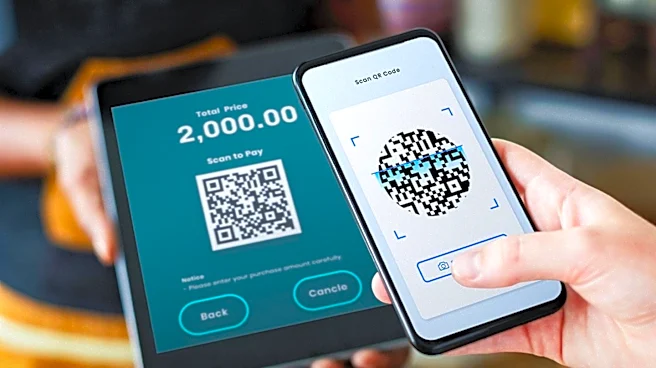
The Prime Minister’s Office (PMO) in Nepal has issued a warning regarding unauthorized QR codes and personal details being used to solicit funds for victims of the Bhote Koshi floods in Rasuwa and Nuwakot. The PMO expressed serious concern over individuals,
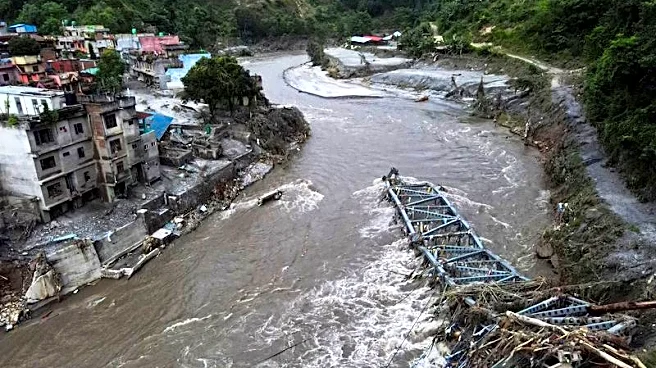
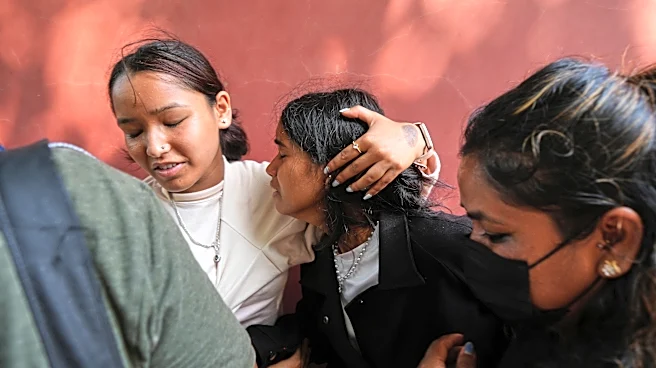
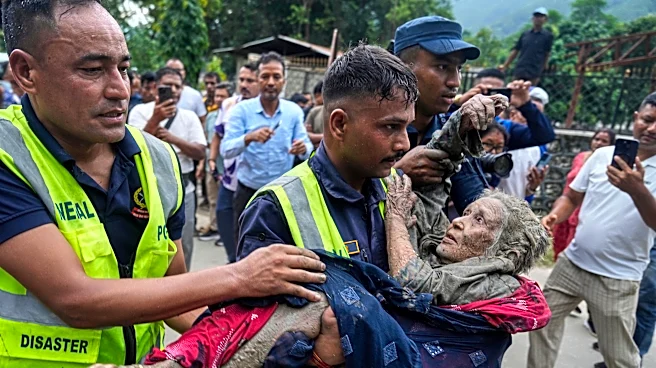
groups, and organizations collecting money indiscriminately. To ensure transparency and proper management of contributions, the government is urging donors to verify that financial assistance is deposited into official accounts, specifically those named 'Prime Minister Disaster Relief Fund,' 'Disaster Relief Fund,' or 'PDPU.' The PMO has provided official channels for donations, including dedicated online payment links for international card payments and specific QR codes for Alipay+ and UPI-India users. SWIFT transfer accounts are also available across multiple Nepali banks, and international remittance services can be used to send funds directly to designated Nepali Rupee accounts. This caution comes as Nepal grapples with the aftermath of devastating flash floods, which have resulted in significant loss of life and property.
Why It's Important?
This advisory is crucial for maintaining public trust and ensuring that aid reaches those in need during a national crisis. The proliferation of unauthorized fundraising efforts can lead to financial fraud, diverting essential resources away from legitimate relief operations. By emphasizing official channels, the PMO aims to prevent exploitation of the disaster situation and safeguard donor contributions. The transparency in donation processes is vital for both domestic and international donors, encouraging continued support for Nepal's recovery efforts. Mismanagement or fraud in disaster relief can erode confidence in government and humanitarian organizations, potentially hindering future aid mobilization. The clear guidelines provided by the PMO are intended to streamline the flow of aid and maximize its impact on affected communities, which are facing immense challenges in rebuilding their lives and infrastructure.
What's Next?
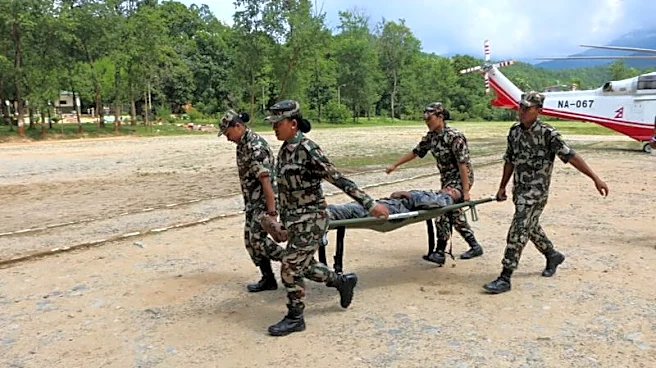
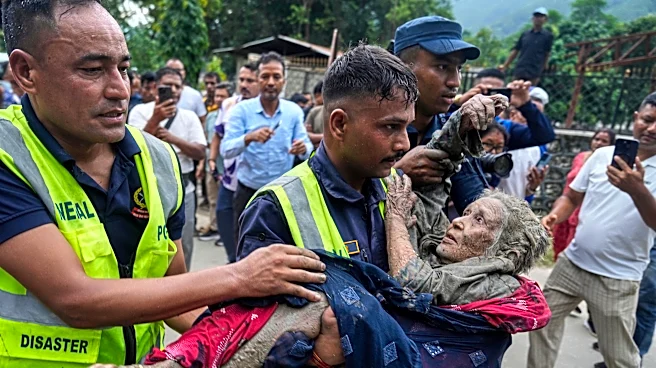
The Nepali government will likely continue to monitor fundraising activities closely and may take action against those found to be engaging in fraudulent practices. Public awareness campaigns about official donation channels are expected to intensify to educate potential donors. International partners and aid organizations will need to align their fundraising efforts with the government's guidelines to ensure coordinated and transparent relief operations. The focus will remain on search, rescue, and relief operations, with ongoing efforts to provide essential supplies and transitional housing to the more than 10,000 households affected along the Trishuli corridor. As the immediate crisis subsides, the long-term focus will shift towards rehabilitation and reconstruction, requiring sustained and well-managed financial support.
Beyond the Headlines
The issue of unauthorized fundraising during disasters highlights broader challenges in digital philanthropy and the need for robust regulatory frameworks. While digital platforms facilitate rapid fundraising, they also present opportunities for scams, underscoring the importance of due diligence for donors. This situation also reflects the critical role of government in coordinating national responses to large-scale emergencies, not just in terms of logistics and rescue, but also in managing financial flows and public trust. The incident could prompt a review of existing regulations concerning online fundraising for charitable causes, potentially leading to stricter oversight and verification processes for organizations and individuals seeking public donations, especially in times of crisis. The emphasis on official channels also reinforces the principle of accountability in humanitarian aid, ensuring that resources are utilized effectively and ethically.