







What's Happening?
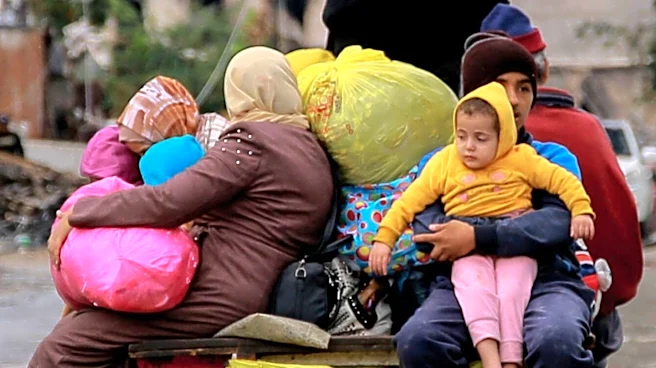
Thousands of displaced people in northeast Syria, particularly Kurds, are returning to their homes in the Sere Kaniye region as part of an integration process between the interim Syrian government and the Syrian Democratic Forces (SDF). Many of these
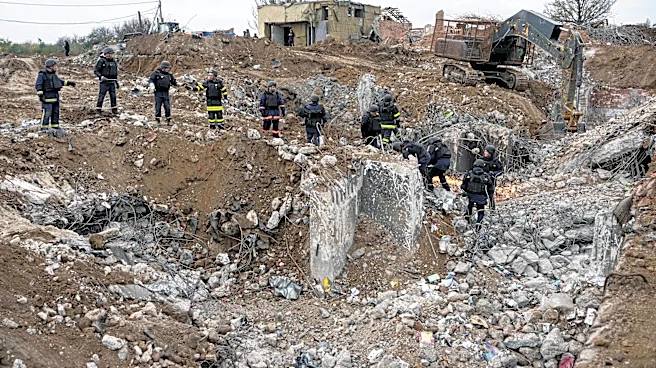
individuals were displaced during a 2019 Turkish-led offensive against the SDF. While over 4,000 families have returned since last August, most are finding their houses destroyed or severely damaged. For instance, Ibrahim, a father of eight, returned to find his village of 500 houses reduced to barely 100 intact structures, forcing him to set up a tent where his house once stood. The Syrian government is offering $2,000 in assistance per returning family, but many residents state this amount is insufficient for rebuilding. Efforts are also underway to remove families currently occupying the homes of Sere Kaniye residents, with Mahmoud Khalil, deputy commander of the Internal Security Forces in Hasaka province, stating that 1,000 people are expected to return to the city within a month.
Why It's Important?
The return of displaced Kurds to northeast Syria is a critical step in the region's post-conflict recovery, highlighting the immense challenges of reconstruction and reintegration. The destruction of homes and the inadequacy of financial aid underscore the humanitarian crisis and the long road ahead for affected communities. The integration process between the interim Syrian government and the SDF is crucial for establishing stability and ensuring the safe return of displaced populations. However, the presence of former Turkish-backed Syrian armed groups, now integrated into the Syrian ministry of defense, and their families occupying homes, creates significant obstacles to the return of original residents. This situation complicates efforts to restore normalcy and could fuel further tensions if not managed effectively. The success of these returns is vital for regional stability and the well-being of thousands who have endured years of displacement.
What's Next?
Authorities are working to expedite the return process, especially with the onset of winter, which poses additional hardships for those living in displacement camps or damaged homes. The Sere Kaniye Displaced Persons Committee is advocating for Syrian authorities to ensure the safe and voluntary return of all displaced people. A key next step involves the removal of current occupants from the homes of Sere Kaniye residents to allow original owners to reclaim their properties. The Syrian government will need to address the insufficient financial assistance provided for rebuilding, potentially by increasing aid or implementing more comprehensive reconstruction programs. The long-term success of this integration process will depend on sustained efforts to provide housing, infrastructure, and economic opportunities for returnees, as well as ensuring the security and rights of all communities in the region.
Beyond the Headlines
The return of displaced Kurds to northeast Syria carries deeper implications for ethnic relations and regional power dynamics. The historical context of the 2019 Turkish-led offensive and the subsequent displacement of Kurdish populations highlight the complex interplay of national and international actors in the Syrian conflict. The challenges faced by returnees, such as destroyed homes and inadequate aid, underscore the lasting human cost of war and the need for robust humanitarian and reconstruction efforts. The issue of occupied homes also touches upon property rights and justice for victims of displacement, which are critical for long-term reconciliation and stability. The success or failure of this reintegration process could significantly influence the future of Kurdish communities in Syria and their relationship with the central government, potentially shaping the broader political landscape of the region.