


What's Happening?
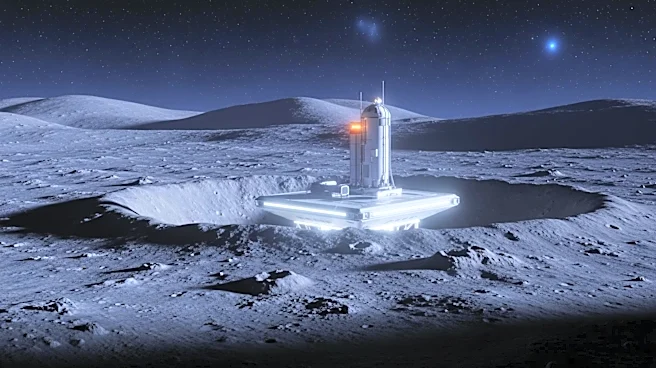
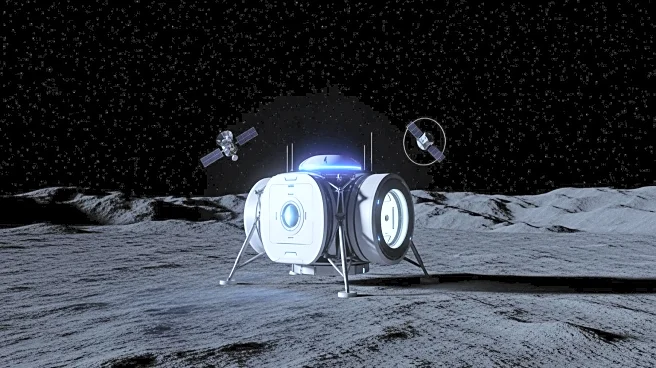
Rep. Mike Haridopolos, chair of the House Subcommittee on Space and Aeronautics, has revealed plans to transform the moon into a refueling station for deep space missions. This initiative is part of the broader Artemis program, which aims to return humans
to the moon and eventually send them to Mars. The moon's minerals could potentially reduce the cost of creating higher energy sources, making it a strategic location for refueling spacecraft. The Artemis II mission, launching soon, will test the Orion spacecraft's life support systems and is a step towards establishing a lunar base.
Why It's Important?
Transforming the moon into a refueling station could significantly enhance the feasibility and cost-effectiveness of deep space exploration. By utilizing lunar resources, NASA could reduce the dependency on Earth-based supplies, making long-duration missions more sustainable. This development could position the U.S. as a leader in space exploration and open new opportunities for scientific research and commercial ventures. The success of this initiative could also inspire international collaboration and drive technological advancements in space travel.
What's Next?
Following the Artemis II mission, NASA plans to conduct a crewed moon landing in 2028, which will be a critical step towards establishing a lunar base. This base could serve as a launch point for missions to Mars and beyond. The success of these plans will depend on continued technological innovation, securing funding, and maintaining political and public support. As the Artemis program progresses, it will be essential to address challenges related to lunar resource extraction and the development of sustainable infrastructure on the moon.