





What's Happening?
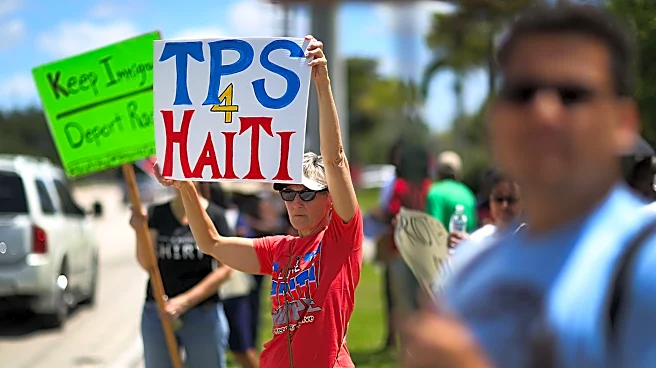
A federal lawsuit has been filed against the Department of Homeland Security (DHS), alleging that the agency illegally recorded individuals who observed and protested immigration enforcement activities. The suit, filed in the Southern District of California,
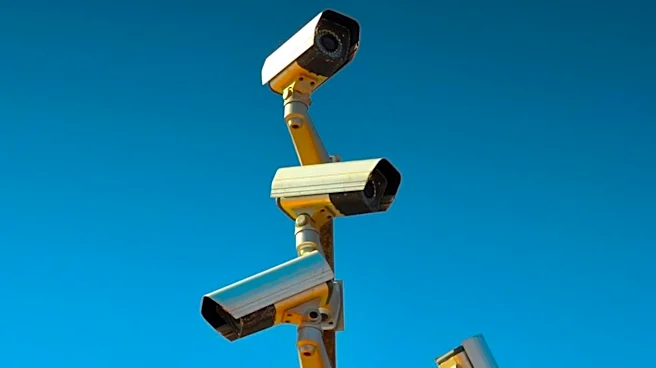
claims that DHS violated federal privacy laws, administrative laws, and the First Amendment. The plaintiffs, including the Electronic Privacy Information Center, argue that DHS used facial recognition technology and other surveillance methods to identify and intimidate protesters. The lawsuit highlights incidents where DHS agents allegedly retaliated against observers by revoking their trusted traveler program statuses, such as TSA Precheck and Global Entry. The suit also mentions that DHS removed its 2023 policy on facial recognition from its website during President Trump's first month back in office, suggesting a policy change without proper procedure.
Why It's Important?
This lawsuit underscores significant concerns about privacy and civil liberties in the context of immigration enforcement. The allegations suggest that DHS's actions could have a chilling effect on First Amendment rights, deterring individuals from exercising their right to protest and observe government activities. The use of advanced surveillance technologies like facial recognition raises ethical and legal questions about privacy and government overreach. If the claims are proven, it could lead to increased scrutiny of DHS practices and potentially result in policy changes to protect civil liberties. The case also highlights the tension between national security measures and individual rights, a recurring theme in U.S. public policy debates.
What's Next?
The lawsuit could prompt a legal review of DHS's surveillance practices and their compliance with federal laws. If the court rules in favor of the plaintiffs, it may lead to changes in how DHS conducts surveillance and handles protests. The case could also influence broader discussions on the use of facial recognition technology by government agencies. Stakeholders, including civil rights organizations and privacy advocates, are likely to monitor the case closely, potentially leading to further legal challenges or legislative action to address privacy concerns.