




What's Happening?
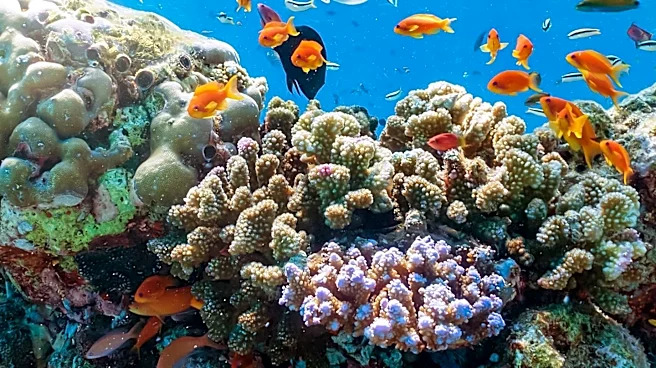
A recent study conducted by Universiti Malaysia Terengganu has found that nearly two-thirds of coral samples collected from Pulau Redang Marine Park, a marine protected area in Malaysia, are contaminated with microplastics. Researchers analyzed 200 coral fragments
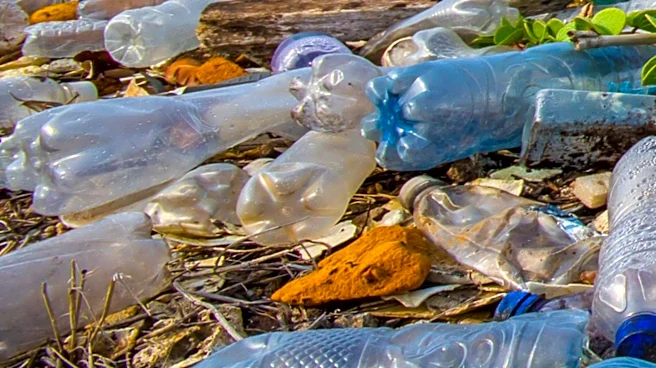
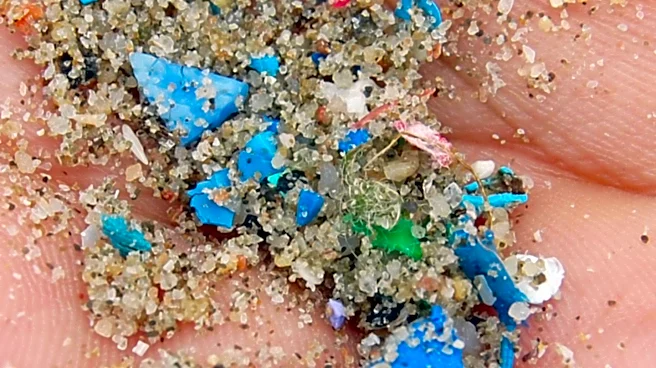
from five reef sites within the park and discovered microplastics in 64% of them. The predominant plastic identified was polyethylene terephthalate (PET), commonly used in single-use drinking bottles. Black microplastics were also frequently found, potentially linked to water sports gear. The study, published in the journal Regional Studies in Marine Science, highlights that sites closer to tourist hotspots exhibited higher levels of contamination, with Long Beach, the busiest tourist area, recording more than double the microplastic particles per gram of coral compared to quieter turtle nesting sites. This research indicates that microplastics, tiny plastic particles under 5 millimeters, have become embedded within the skeletons of corals, even in protected marine environments.
Why It's Important?
The presence of microplastics within coral skeletons in a marine protected area underscores the pervasive nature of plastic pollution and its far-reaching impact on delicate marine ecosystems. Corals are foundational species for reef ecosystems, providing habitat and food for numerous marine organisms. Their contamination by microplastics could have significant long-term ecological consequences, potentially affecting coral health, growth, and overall reef resilience. While the exact ecological impacts on coral health are still being investigated, previous research suggests that microplastic exposure can accelerate coral degradation. This situation is critical for marine biodiversity and the health of oceans globally, as coral reefs are vital for coastal protection, fisheries, and tourism. The study emphasizes that even designated protected areas are not immune to microplastic pollution, highlighting the need for comprehensive waste management strategies and reduction of plastic use beyond local boundaries.
What's Next?
The findings of this study call for further research into the long-term ecological impacts of microplastics on coral health and the broader marine ecosystem. Scientists at Universiti Malaysia Terengganu noted that understanding these long-term consequences is a key area for future studies. Additionally, the study's implications suggest a need for enhanced plastic waste management and reduction efforts, particularly in areas surrounding marine protected zones and tourist hotspots. Policymakers and environmental agencies may need to consider stricter regulations on single-use plastics and promote sustainable tourism practices to mitigate further contamination. The global community, including international organizations involved in plastics treaty negotiations, could use such regional studies to inform more effective strategies for preventing plastic waste from entering marine environments, recognizing that ocean currents can transport microplastics far from their source.
Beyond the Headlines
This study reveals a deeper challenge beyond visible plastic pollution: the insidious integration of microplastics into the fundamental biological structures of marine life. The fact that corals, immobile organisms at the seafloor, are ingesting and incorporating these particles into their skeletons suggests a fundamental alteration of their environment. This raises ethical questions about human responsibility for the widespread contamination of natural systems, even in areas designated for protection. The study also highlights the limitations of geographical boundaries in protecting marine ecosystems from pollutants that travel through water currents. It underscores the interconnectedness of global ecosystems and the need for a holistic approach to environmental conservation that addresses pollution at its source, regardless of national borders. The presence of PET, a common plastic from drinking bottles, points to everyday consumer choices as a significant contributor to this global environmental crisis.