



What's Happening?
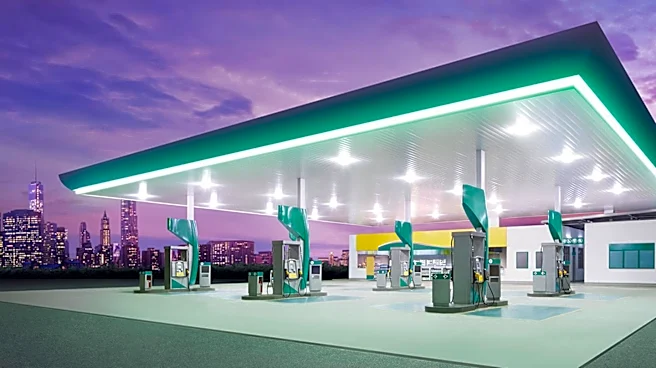
U.S. military forces have conducted strikes against Iran for the second day in a row. Concurrently, President Trump is actively working to address the issue of rising gas prices across the nation as the midterm elections approach. These developments were
highlighted in a morning news brief. The military actions in Iran signify ongoing tensions and strategic responses from the U.S. government in the region. Meanwhile, the administration's focus on gas prices indicates an awareness of their impact on American households and the broader economy, especially in the context of upcoming elections.
Why It's Important?
The continuation of U.S. military strikes in Iran underscores a significant and escalating geopolitical situation that could have far-reaching implications for international stability and U.S. foreign policy. Such actions often lead to increased volatility in global oil markets, which directly impacts gas prices in the United States. President Trump's efforts to combat rising gas prices are crucial as they directly affect the daily lives and financial well-being of American citizens. High gas prices can lead to increased transportation costs, impacting consumer spending and potentially slowing economic growth. Furthermore, addressing this issue is politically vital for the administration, as public perception of economic stability, particularly gas prices, often influences voter sentiment during midterm elections.
What's Next?
The immediate future will likely see continued monitoring of the situation in Iran, with potential for further military actions or diplomatic responses from both sides. The U.S. government will need to articulate its strategy and objectives regarding these strikes. Domestically, President Trump's administration is expected to implement or propose measures aimed at stabilizing or reducing gas prices. These could include releasing oil from strategic reserves, engaging with oil-producing nations, or advocating for policy changes. The effectiveness of these measures will be closely watched by the public and will undoubtedly be a key talking point for political leaders and candidates in the lead-up to the midterm elections.
Beyond the Headlines
The dual focus on military action abroad and economic concerns at home highlights the complex interplay between foreign policy and domestic stability. Escalations in the Middle East often have a direct and immediate impact on the U.S. economy, particularly through energy markets. The administration's response to rising gas prices, while framed as an economic issue, also carries significant political weight, demonstrating how global events can shape domestic political narratives and electoral outcomes. This situation also raises broader questions about energy independence, the role of the U.S. in global security, and the balance between national security interests and economic well-being for American citizens.