



What's Happening?
Urban transport is undergoing a significant transformation with the integration of electric buses, robotaxis, and congestion pricing. Cities are moving towards system-wide electrification of public transport, with electric buses leading the charge. This
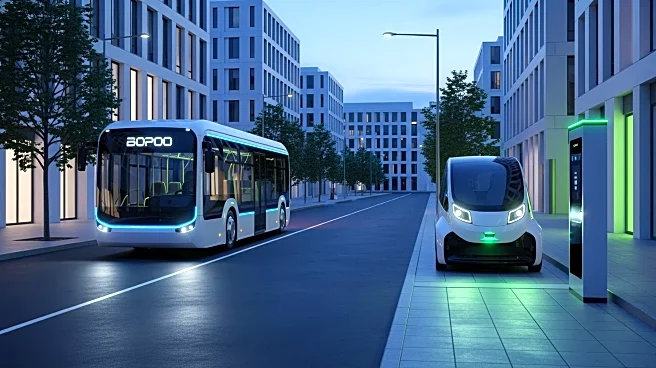
shift is accompanied by challenges such as grid constraints and cold-weather planning. Meanwhile, robotaxis are being trialed in cities like London, with partnerships involving major companies like Uber and Lyft. New York City's congestion pricing program is also making headlines as it approaches its first anniversary, showing promising results in reducing traffic and pollution. These developments are part of a broader trend towards a systems-level redesign of urban mobility, focusing on electrification, automation, and smart infrastructure.
Why It's Important?
The transition to electric and autonomous transport systems is crucial for reducing urban pollution and improving public health. It also represents a shift towards more sustainable and efficient urban mobility solutions. The success of these initiatives could set a precedent for other cities, influencing global transport policies. The integration of technology in transport systems can lead to improved safety, reduced congestion, and enhanced public transit services. However, these changes also pose challenges, such as the need for significant infrastructure investments and the potential for increased vehicle miles traveled with autonomous fleets.
What's Next?
As cities continue to implement these transport innovations, there will be a focus on addressing infrastructure challenges, such as charging station availability and grid capacity. Policymakers will need to navigate the legal and regulatory frameworks surrounding autonomous vehicles and congestion pricing. The success of these initiatives will depend on effective governance and the ability to integrate new technologies with existing transport systems. Future developments may include expanded trials of autonomous vehicles, further electrification of public transport, and the implementation of smart street technologies to optimize traffic flow and safety.