

What's Happening?
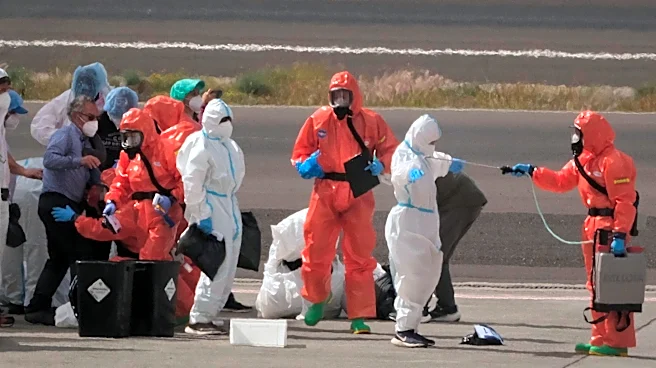
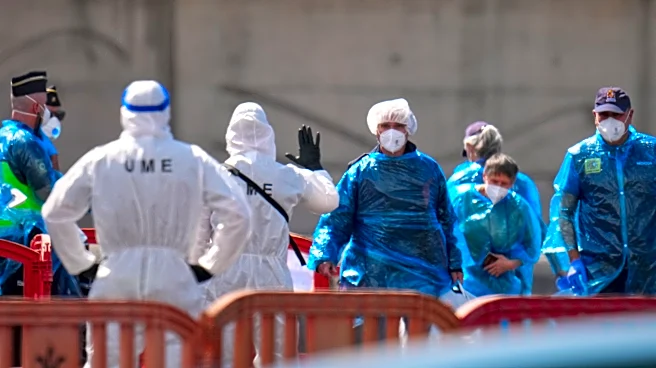
Eighteen Americans, including three New Yorkers, are under observation after potential exposure to the hantavirus aboard the MV Hondius cruise ship. The New Yorkers are currently at Offutt Air Force Base in Nebraska for a 42-day monitoring period. The hantavirus,
specifically the Andes strain, is known for its rare human-to-human transmission, typically requiring close contact. The virus, primarily spread through rodent excretions, can cause severe respiratory illness. The New York State Department of Health and the CDC are coordinating efforts to monitor and manage the situation, emphasizing that the public risk remains low.
Why It's Important?
The monitoring of potential hantavirus cases highlights the ongoing challenges in managing zoonotic diseases, which can have significant public health implications. The Andes virus's ability to spread between humans, although rare, necessitates careful surveillance and response strategies. This situation underscores the importance of international cooperation in disease monitoring and the need for robust public health infrastructure to prevent potential outbreaks. The incident also raises awareness about the risks associated with global travel and the need for preventive measures in high-risk environments.
What's Next?
Health officials will continue to monitor the exposed individuals for symptoms, with a focus on early detection and response. The New York State Health Department is preparing for various scenarios, including potential cases within the state. Coordination with federal health agencies will be crucial in managing resources and ensuring public safety. The situation may prompt discussions on enhancing public health preparedness and response capabilities, particularly for diseases with zoonotic origins.