







What's Happening?
The Columbia City Council and the Water and Light Advisory Board are scheduled to hold their second joint work session on Monday evening. The primary agenda for this meeting is to conduct a long-term review of Columbia's power generation assets and capacity
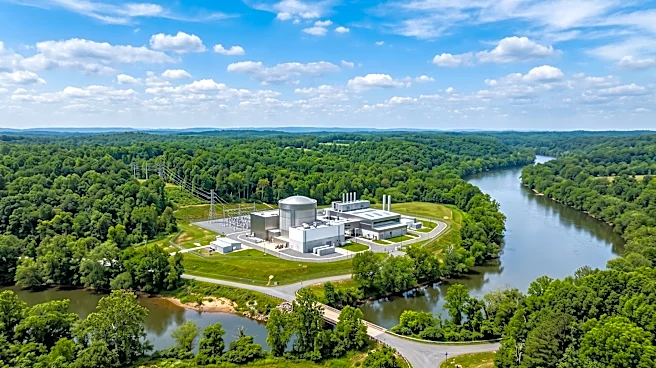
goals. According to Erin Keys, the City of Columbia's utility director, the city needs to plan for future energy demands as the community continues to expand. The discussion will focus on a 20-year outlook to ensure capacity requirements are met, particularly for peak usage seasons like summer and winter. The city is mandated to maintain a specific energy capacity, even if not fully utilized. Currently, Columbia holds a 45-megawatt capacity contract with Dynegy, which was renewed for one year through 2027 after its original long-term agreement expired in 2026. The city is facing significantly increased costs, with current market prices for the same capacity being approximately 300% higher than previous contract rates.
Why It's Important?
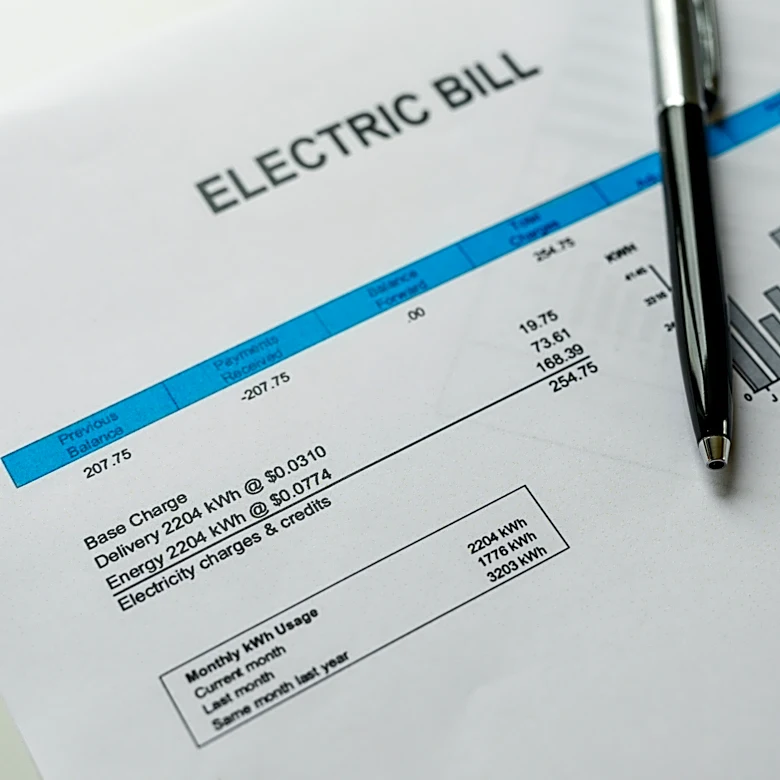
This joint work session is crucial for Columbia, Missouri, as it directly impacts the city's energy security and the financial burden on its residents and businesses. The substantial increase in energy capacity costs, up by 300%, highlights a significant challenge in maintaining affordable and reliable power. The retirement of the Sikeston coal power plant, which currently supplies 66 megawatts to the city, further complicates the energy landscape, necessitating a strategic replacement plan. The city's exploration of diverse energy sources, including gas, renewables, and batteries, is vital for mitigating risks associated with reliance on a single energy type and fluctuating market prices. A diversified energy portfolio could lead to more stable and potentially lower costs for consumers, while also addressing environmental concerns through the integration of renewable energy. The decisions made in this session will shape Columbia's energy infrastructure for the next two decades, influencing economic development, environmental sustainability, and the daily lives of its citizens.
What's Next?
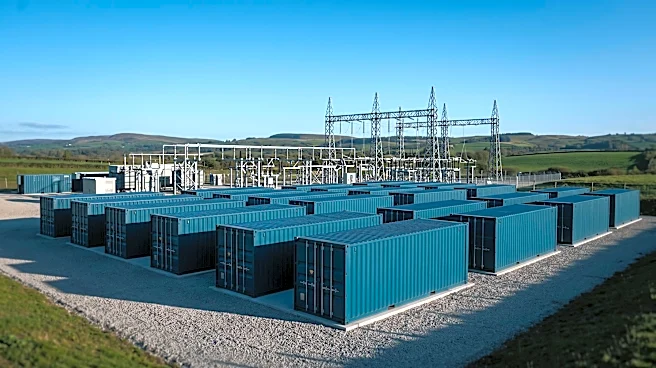
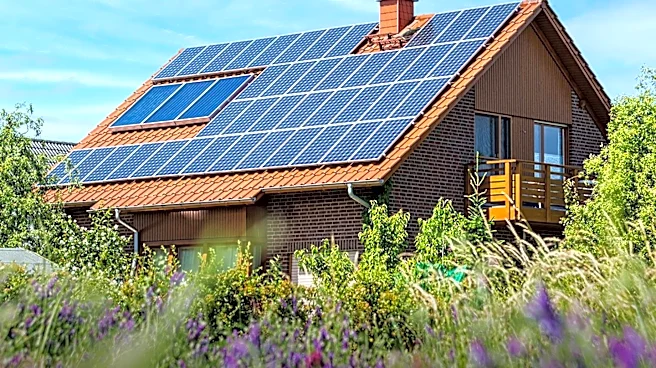
In the coming months, the City of Columbia plans to negotiate a longer-term capacity contract with Dynegy. If an agreement cannot be reached, the city will explore other providers. A key focus will be determining replacements for the 66 megawatts currently supplied by the Sikeston coal plant, which is slated for future retirement. Options under consideration include natural gas, various renewable energy sources, and battery storage solutions. The city is also reviewing a solar Power Purchase Agreement with a Missouri developer, which includes a battery component to enhance capacity credit. Each aspect of this long-term energy plan will have its own timeline, with full implementation expected to take multiple years. The immediate goal of the work session is to establish a shared vision and direction for Columbia's energy future, rather than making specific, immediate decisions. Public input from previous sessions has indicated a strong preference for a diverse energy portfolio and the retention of local generation assets.
Beyond the Headlines
The discussions in Columbia reflect a broader national trend where municipalities are grappling with the dual challenges of aging energy infrastructure and the transition to more sustainable power sources. The emphasis on a diverse energy portfolio underscores the growing recognition of energy resilience as a critical component of urban planning. Relying heavily on a single energy source, such as natural gas, can expose communities to significant price volatility and supply chain disruptions. The integration of renewables, particularly when paired with battery storage, represents a strategic shift towards greater energy independence and environmental stewardship. However, the challenge lies in balancing the intermittency of some renewable sources with the consistent demand for power. This long-term planning process in Columbia could serve as a model for other U.S. cities facing similar energy transitions, highlighting the complexities of balancing economic viability, environmental responsibility, and reliable service delivery in a rapidly evolving energy landscape.