








What's Happening?
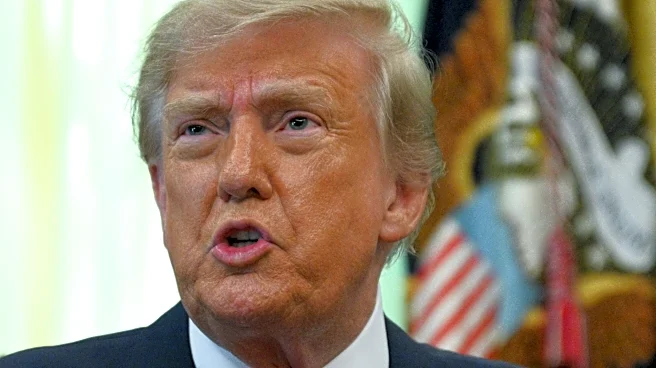
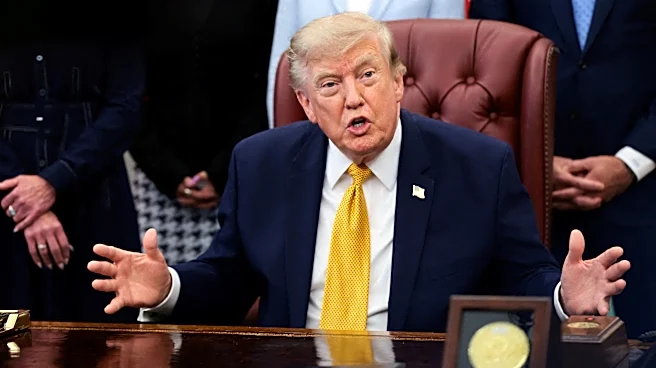
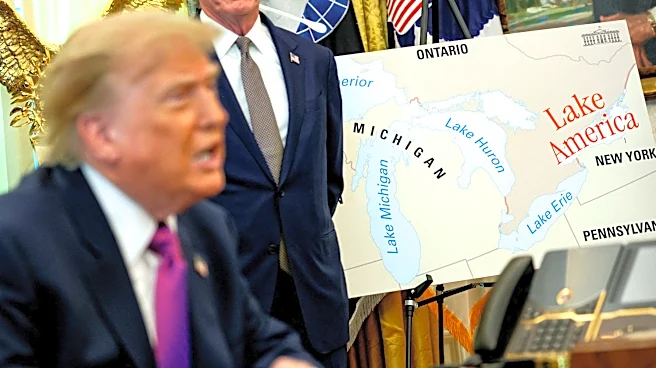
MS NOW host Chris Hayes has publicly criticized President Trump's executive order to rename Lake Ontario to 'Lake America,' calling the move 'deeply pathetic.' Hayes argued that the American public is more concerned with tangible economic relief, such
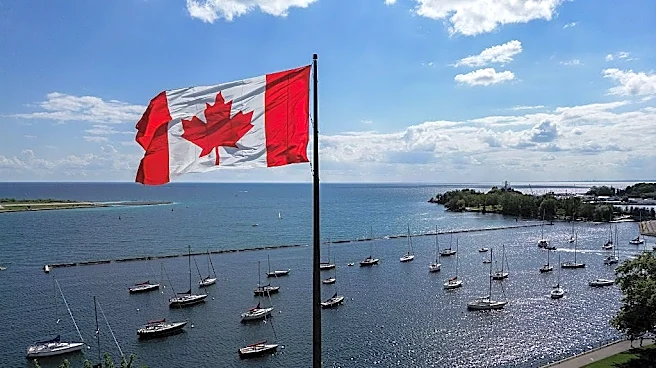
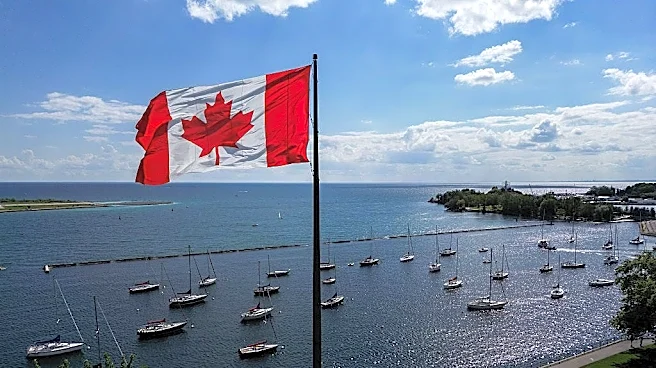
as lower prices, rather than symbolic name changes. This criticism comes amidst new polling data indicating widespread disapproval of the renaming, even among Republicans. Ipsos polling of 1,023 adults found only 14% supported the executive order, with just 3% of Republicans in favor. Similarly, The Economist/YouGov polling of 1,592 U.S. adults showed 17% approval. The polls also revealed that support for renaming Lake Ontario was lower than support for new tariffs on Canada, suggesting a disconnect between the administration's actions and public priorities. Lake Ontario, part of the Great Lakes, derives its name from the Iroquois word 'kanadario,' meaning 'sparkling water,' and has historical significance predating the U.S. by over a century. Indigenous peoples have long been stewards of the lake, known as Niigani-gichigami.
Why It's Important?
The criticism from Chris Hayes and the accompanying poll results highlight a potential miscalculation by the Trump administration regarding public sentiment and priorities. While symbolic gestures can sometimes rally support, the data suggests that the American public, including a significant portion of the President's own party, is more focused on economic stability and cost of living issues. The low approval for the Lake Ontario renaming, even compared to tariffs, indicates that such actions may be perceived as out of touch or a distraction from more pressing concerns like inflation and gas prices. This could impact public trust and political capital, especially as the administration faces ongoing economic challenges. The historical and cultural significance of Lake Ontario, particularly to Indigenous communities, also raises questions about the broader implications of unilaterally renaming natural landmarks without broader consultation or public support. The move could be seen as undermining cultural heritage and environmental stewardship efforts.
What's Next?
The continued public and media scrutiny of President Trump's executive order on Lake Ontario could intensify debates surrounding executive power and the administration's policy priorities. Political commentators and opposition figures are likely to leverage these poll numbers to question the effectiveness and relevance of the administration's actions. The focus will likely remain on economic issues, with calls for concrete measures to address rising prices and cost of living concerns. The administration may face pressure to either justify the renaming or shift its focus to more widely supported initiatives. The response from Apple and Google in updating their maps to reflect the new name, while seemingly a compliance measure, could also draw further attention to the controversy. Future polling will likely continue to track public opinion on both symbolic actions and economic policies, providing ongoing insights into the political landscape.
Beyond the Headlines
The controversy surrounding the renaming of Lake Ontario extends beyond immediate political implications, touching upon deeper issues of national identity, cultural heritage, and environmental respect. The Iroquois origin of the name 'Ontario' and the long-standing stewardship by Indigenous peoples underscore the importance of historical context and cultural sensitivity in governmental decisions. Unilateral actions to rename natural landmarks can be seen as a disregard for established history and the contributions of diverse communities. This incident could fuel broader discussions about the appropriate balance between executive authority and public consultation, particularly when decisions impact shared natural resources and cultural symbols. It also highlights the ongoing tension between symbolic political gestures and the practical needs of the populace, potentially influencing how future administrations approach similar issues and engage with public sentiment on matters of national significance.