





What's Happening?
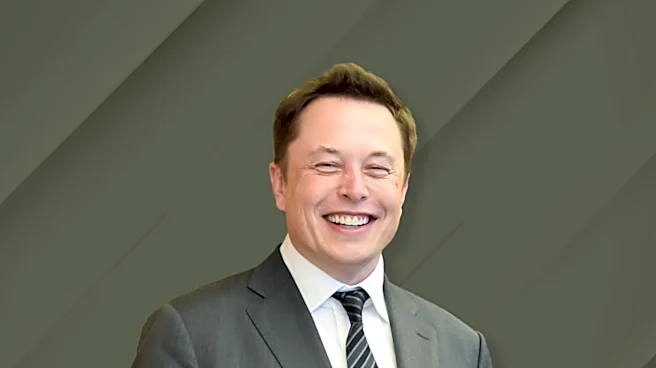
Elon Musk's rise to trillionaire status has become a focal point for discussions on wealth inequality in the United States. On a recent episode of USA TODAY's The Excerpt podcast, Susan Stokes, a political science professor at the University of Chicago,
discussed the implications of Musk's wealth on democratic institutions. The conversation highlighted the growing disparity between the ultra-wealthy and the average American, with many feeling that financial security is increasingly out of reach. The discussion also touched on the potential erosion of democratic values as wealth becomes more concentrated, raising questions about accountability and the influence of private fortunes on public policy.
Why It's Important?
The concentration of wealth in the hands of a few individuals like Elon Musk poses significant challenges to democratic institutions. As wealth inequality grows, it can undermine public confidence in democracy and lead to increased political polarization. The discussion on The Excerpt podcast underscores the potential for wealth concentration to influence political outcomes and policy decisions, potentially skewing them in favor of the wealthy. This situation raises concerns about the fairness and inclusivity of the democratic process, as well as the ability of ordinary citizens to influence change.
What's Next?
The ongoing debate about wealth inequality and its impact on democracy is likely to continue, with potential policy discussions focusing on taxation and social welfare reforms. As public awareness of these issues grows, there may be increased pressure on policymakers to address the disparities and ensure a more equitable distribution of wealth. The role of influential figures like Elon Musk in shaping public discourse and policy will also be closely scrutinized, as their actions and statements can significantly impact public opinion and political dynamics.