





What's Happening?
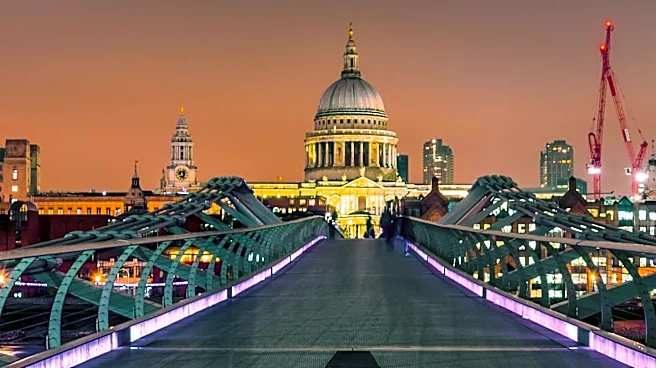
The Church of England is facing significant criticism after St. Paul’s Cathedral in London signed a multi-year agreement with Fabric, a nightclub, to host concerts inside the historic building. The arrangement grants Fabric exclusive rights to stage concerts at the cathedral
through 2030, with the first event scheduled for October 29. Fabric previously lost its license in 2016 following two drug-related deaths. Cameron Leslie, a co-founder of Fabric, described the collaboration as an "extraordinary and unexpected coming together of two very different parts of London." Sandra Lynes Timbrell, director of visitor engagement at the cathedral, stated the goal is to help people "discover and engage with this historic building in new and exciting ways" through a "carefully curated program of exceptional concerts." The cathedral has clarified that the concerts are seated events and do not take place in the crypt where Lord Horatio Nelson's tomb is located, addressing concerns from Nelson's descendants who criticized the arrangement as "an insult to Lord Nelson's memory."
Why It's Important?
This controversy highlights a growing tension between traditional religious institutions and modern cultural engagement. The decision by St. Paul's Cathedral, a significant landmark and seat of the Diocese of London, to partner with a nightclub with a controversial past, has sparked outrage among Christians and historic preservation groups. Critics argue that such events disrespect the sacred nature of the cathedral and the memory of those interred there, including national heroes. The debate extends to the broader role of religious sites in contemporary society: whether they should remain solely places of worship and solemn reflection, or if they can adapt to host diverse cultural events to attract new audiences and generate revenue. The backlash suggests a significant portion of the public believes there are boundaries that should not be crossed in the commercialization or secularization of sacred spaces.
What's Next?
The first concert under the new agreement is scheduled for October 29, though the performer has not yet been named. The ongoing criticism from various groups, including the Nelson Society and Christian communities, suggests that the events will likely continue to be scrutinized. The Church of England and St. Paul's Cathedral will need to manage public relations carefully, balancing their stated goals of engagement and accessibility with the concerns of those who feel the sanctity of the space is being compromised. The success or failure of these events, both in terms of attendance and public perception, could influence future decisions regarding the use of other historic religious venues for non-traditional purposes. This situation may also prompt broader discussions within religious institutions about their strategies for outreach and financial sustainability in an evolving cultural landscape.
Beyond the Headlines
The controversy surrounding St. Paul's Cathedral touches upon deeper ethical and cultural questions about the commodification of sacred spaces. Jacob Phillips, a professor of systematic theology, noted the historical decline of the rave scene into addiction and violence, and questioned the appropriateness of such events in a cathedral. He argued that while the rave scene once carried religious undertones, the core Christian teaching emphasizes redemption through daily responsibilities and stable communities, rather than temporary euphoria. This debate extends beyond St. Paul's, as Canterbury Cathedral also faced criticism for hosting 'silent discos.' The underlying issue is how religious institutions can remain relevant and financially viable without diluting their spiritual integrity. It forces a re-evaluation of what constitutes 'sacred' in a secularizing world and the potential long-term impact on the perception and purpose of these historical landmarks.