
What's Happening?
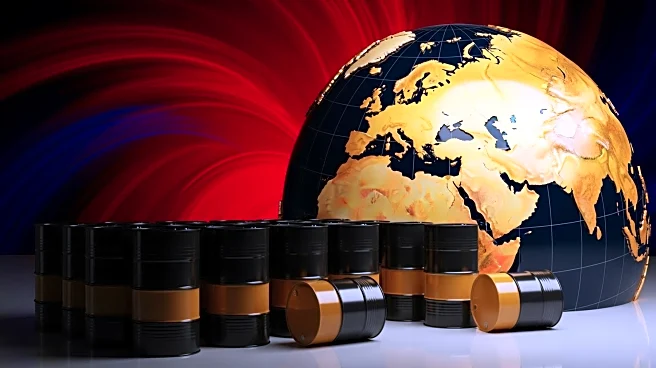
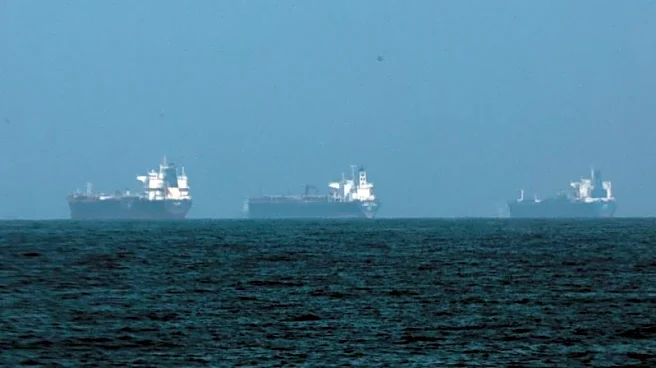
The ongoing conflict in the Middle East has led to a significant energy crisis, potentially benefiting Russia's economy. With disruptions in global oil supplies, Russia could fill the gap left by Middle Eastern countries, particularly affecting China
and India, who are major buyers of Middle Eastern crude. The conflict has caused a surge in oil prices, with Brent crude rising significantly. This situation could provide Russia with an economic lifeline, as its oil and gas revenues had previously fallen to a five-year low due to sanctions and declining exports. The crisis also poses challenges for Ukraine, which may face difficulties in securing air defense systems if Western countries prioritize their own needs.
Why It's Important?
The energy crisis triggered by the Middle East conflict could shift global energy dynamics, potentially strengthening Russia's position in the energy market. This development could undermine efforts by the EU to reduce dependency on Russian fossil fuels. Additionally, the crisis may impact military support for Ukraine, as Western countries might redirect resources to address their own security needs. The situation highlights the interconnectedness of global energy markets and the potential for geopolitical conflicts to influence economic and military strategies.
What's Next?
The duration of the Middle East conflict will be crucial in determining its long-term impact on global energy markets. If the crisis persists, countries like India and China may increase their reliance on Russian energy, potentially altering trade relationships. The EU may need to reassess its energy policies and strategies to mitigate the effects of the crisis. Additionally, Ukraine will need to navigate potential challenges in securing military support from Western allies, which could affect its defense capabilities.