









What's Happening?
U.S. Senator Elizabeth Warren has proposed a legislative amendment to the CLARITY Act that would prohibit the president, vice president, administration officials, members of Congress, and their families from earning income from the cryptocurrency industry.
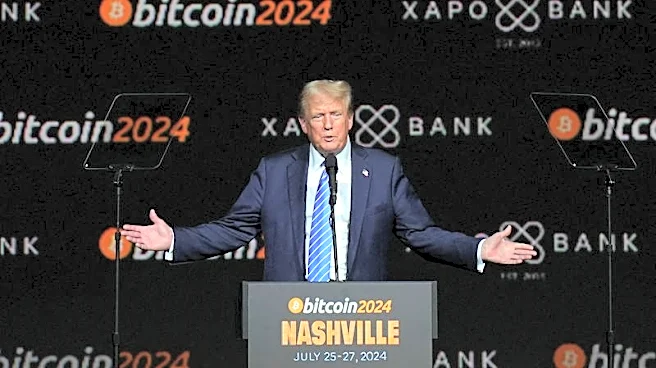
This proposal follows the release of President Donald Trump's financial disclosure, which revealed that he earned over $1.4 billion from digital assets in 2025. A significant portion of this income is linked to the Trump family's involvement in the crypto project World Liberty Financial. Warren argues that such earnings represent a conflict of interest and could lead to corruption within the crypto sphere. The Senate Banking Committee has approved the bill, but discussions are ongoing, and a vote date has not been set.
Why It's Important?
Senator Warren's proposal highlights the ethical and regulatory challenges posed by the intersection of politics and the rapidly growing cryptocurrency industry. The significant earnings reported by President Trump from crypto ventures raise concerns about potential conflicts of interest and the influence of personal financial gains on public policy. This situation underscores the need for clear ethical guidelines and regulations to ensure transparency and accountability among public officials. The outcome of this legislative effort could set a precedent for how the U.S. government addresses similar issues in the future, impacting both the political landscape and the crypto market.
What's Next?
The proposed amendment to the CLARITY Act will undergo further discussions in the Senate, with ethical restrictions being a key point of contention. The outcome of these discussions will determine whether the proposed ban on crypto earnings for high-ranking officials is implemented. If passed, the legislation could lead to significant changes in how public officials engage with the crypto industry. The ongoing debate may also influence public perception of the crypto market and its legitimacy. Stakeholders, including lawmakers, industry leaders, and the public, will be closely watching the legislative process and its implications for the future of cryptocurrency regulation.