






What's Happening?
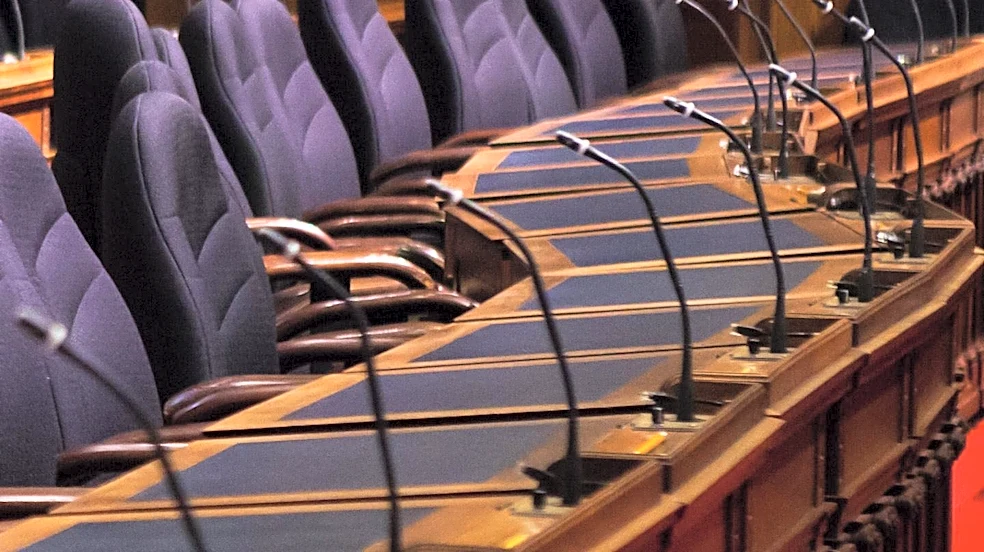
The Madison Common Council voted 14-6 to terminate the employment of Independent Monitor Aeiramique Glass following an extensive, all-night meeting. The session lasted over 12 hours, including nearly seven hours of public testimony and four hours of questions
from alders to staff. The decision was made without debate due to the late hour, as the Municipal Court required the meeting room by 7 AM. Council Vice President Carmella Glenn moved to call the question after two failed attempts to recess the meeting. The resolution to terminate Glass was introduced by Alder Will Ochowicz on October 6. Public testimony, which began at 7:30 PM Tuesday and concluded around 4 AM Wednesday, saw all but three of the 140 registered speakers oppose the resolution. Alders questioned staff extensively on complaints detailed in an 'employment review' issued by City Attorney Michael Haas, which included issues like canceled meetings with the Madison Police Chief and alleged failures to follow proper city procedures for hiring experts and attorneys. Glass also faced scrutiny for sharing privileged records with Council Vice President Glenn, which Glass stated was to counter 'lies' about her.
Why It's Important?
The termination of Aeiramique Glass as Independent Monitor carries significant implications for police oversight and accountability in Madison. The role of an independent monitor is crucial for ensuring transparency and public trust in law enforcement, especially in cases involving police conduct and in-custody deaths. The controversy surrounding Glass's tenure, including allegations of procedural non-compliance and the sharing of privileged information, highlights potential challenges in establishing effective oversight mechanisms. The lengthy public testimony, predominantly in opposition to Glass's termination, indicates strong community interest and concern regarding police accountability. This decision could impact how future independent oversight roles are structured and supported within the city government, potentially influencing public confidence in the city's commitment to police reform. The debate also underscores the complexities of balancing independent oversight with established governmental procedures and legal protocols, affecting how similar roles might be defined and executed in other municipalities.
What's Next?
Following Aeiramique Glass's termination, Common Council Chief of Staff Karen Kapusta-Pofahl will assume management of the Office of the Independent Monitor (OIM). However, Kapusta-Pofahl has stated she will not conduct investigations herself and plans to hire an investigator if necessary while the search for a permanent monitor proceeds. A key responsibility of Glass's tenure was to establish the process for hiring a permanent Independent Police Monitor, a task that remains incomplete as the Police Civilian Oversight Board (PCOB) has not yet crafted a permanent job description. The city will now need to define the scope and requirements for the permanent role and initiate a competitive hiring process, as City Attorney Michael Haas indicated there is no provision for a direct appointment. This transition period will likely involve continued scrutiny from community members and advocacy groups concerned with police accountability and the effectiveness of the oversight office.
Beyond the Headlines
The termination of Madison's Independent Monitor extends beyond immediate personnel changes, touching upon deeper issues of governance, transparency, and the balance of power between oversight bodies and established city departments. The allegations against Glass, particularly regarding procedural adherence and the handling of privileged information, raise questions about the clarity of mandates and support systems for independent oversight roles. The incident could prompt a re-evaluation of the Independent Monitor's office structure, its reporting lines, and its operational autonomy. It also highlights the inherent tension that can arise when an oversight body seeks to challenge or investigate established institutions, potentially leading to conflicts over jurisdiction, information sharing, and procedural compliance. The extensive public engagement during the council meeting underscores a broader societal demand for robust police accountability, suggesting that future appointments and the functioning of the OIM will be closely watched by the community and may influence broader discussions on civilian oversight models in other U.S. cities.