






What's Happening?
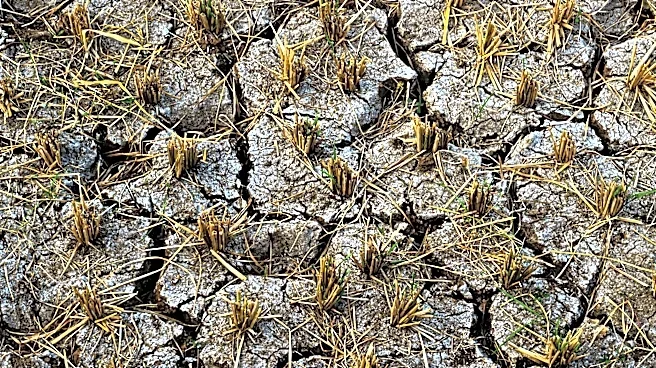
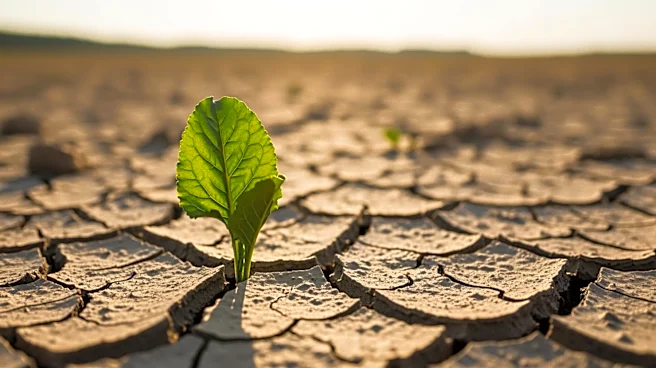
Western Nebraska is experiencing severe drought conditions that are significantly impacting sugar beet production. The region is facing limited rainfall, below-normal snowpack, and declining water supplies, which are creating challenges for growers and raising
concerns about agricultural productivity. According to Noelle Annonen, a multimedia reporter, the drought is affecting planting decisions and crop development, with moisture levels remaining extremely low despite occasional rainfall. Longtime sugar industry supporter Leo Hoehn emphasized the seriousness of the situation, noting the difficulties faced by farmers and the community. The drought began after a mild winter with limited snowfall, and seasonal rainfall has not been sufficient to improve growing conditions. As a result, there is a noticeable decline in sugar beet acreage, with available irrigation supplies only sufficient for a portion of the normally planted acres.
Why It's Important?
The drought in Nebraska has significant implications for the regional economy and agricultural sector. Reduced crop acreage can lower demand for agricultural services and create uncertainty for businesses connected to farming and crop processing. The sugar beet industry, a vital part of Nebraska's agriculture, is facing challenges that could affect its long-term viability. Farmers are forced to make difficult management decisions, and some may opt for prevent plant insurance options rather than risk planting crops that may not receive enough water. The situation highlights the vulnerability of agriculture to climate conditions and the need for adaptive strategies to ensure sustainability. Despite the challenges, agricultural experts remain confident that the sugar beet industry will continue to adapt and remain an important part of Nebraska agriculture.
What's Next?
Farmers and agricultural leaders in Nebraska will continue to monitor the drought conditions closely. The focus will be on managing available water resources effectively and exploring alternative strategies to mitigate the impact of water shortages. Industry officials and university specialists may work together to develop innovative solutions to support farmers and ensure the sustainability of the sugar beet industry. Additionally, there may be increased advocacy for policies and investments that address water management and support agricultural resilience in the face of climate challenges.