


What's Happening?
U.S. Undersecretary of Defense Elbridge Colby recently concluded a weeklong tour of Southeast Asia, aiming to reassure allies and partners in the Philippines, Indonesia, Thailand, and Cambodia of continued U.S. prioritization of the region. During his
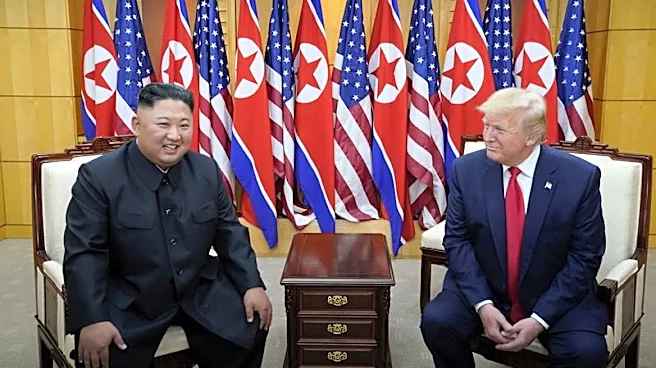
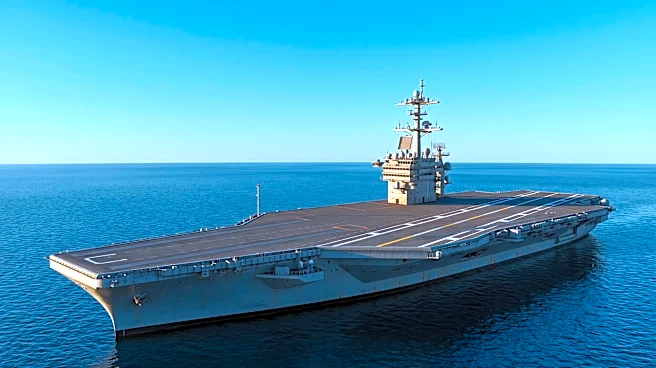
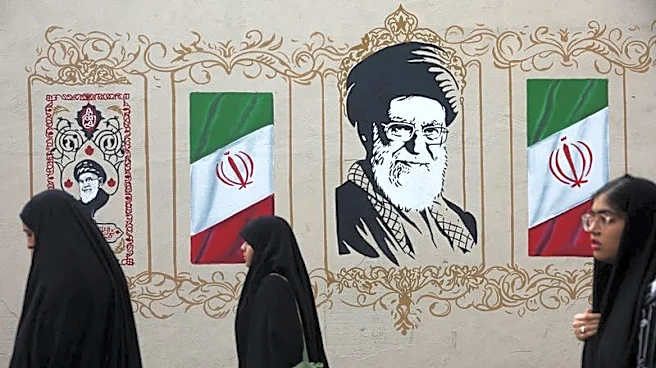
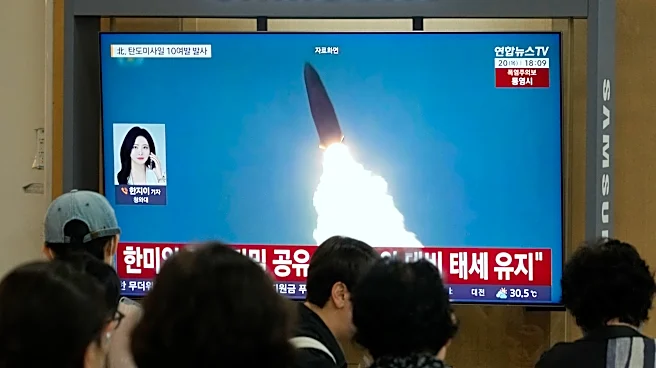
visit, Colby advocated for Washington's "tough-love approach" and dismissed claims of U.S. disengagement, asserting that the United States was "digging in." However, the Trump administration's actions have contradicted this messaging. Concurrently with Colby's tour, the USS George Washington aircraft carrier was redirected from the Pacific to the Middle East to support operations against Iran, and THAAD missile defense systems were shifted from South Korea to the Gulf states. Additionally, President Trump ordered a drawdown of U.S. military exercises with South Korea, citing his "very good relationship" with Kim Jong-un. These actions have fueled regional concerns about U.S. commitment to the Pacific and have been perceived by some as a U.S. withdrawal from Asia, undermining the credibility of Colby's reassurances.
Why It's Important?
The Trump administration's foreign policy, characterized by officials like Colby as "practical and pragmatic" or "flexible realism," is creating significant uncertainty and anxiety among U.S. allies in Southeast Asia. The redirection of military assets and the reduction of exercises with key partners like South Korea signal a potential shift in U.S. strategic priorities away from the Indo-Pacific, despite official rhetoric. This perceived inconsistency can erode trust and lead regional partners to question the reliability of U.S. security commitments. Such doubts could prompt Southeast Asian nations to re-evaluate their alliances and potentially seek closer ties with other major powers, including China, thereby altering the regional balance of power. The administration's transactional approach, which emphasizes burden-sharing and seeks maximum concessions from allies, is seen by critics as replicating negative aspects of past U.S. foreign policy, potentially fostering resentment rather than strengthening partnerships. This approach risks weakening the U.S. network of alliances, which is crucial for maintaining stability and countering rising influences in the region.
What's Next?
The continued divergence between the Trump administration's diplomatic assurances and its operational decisions will likely lead to ongoing skepticism and strategic adjustments among Southeast Asian nations. Allies may increasingly seek to diversify their security partnerships or enhance their own defense capabilities, rather than relying solely on the U.S. The U.S. will need to address these concerns more effectively to prevent further erosion of its influence in the region. Future diplomatic engagements will likely face heightened scrutiny regarding the consistency of U.S. policy. The long-term impact could be a more independent and less aligned Southeast Asia, potentially leading to a more complex and multipolar security environment. The administration's approach also sets a precedent for how future U.S. administrations might engage with allies, potentially shifting the global perception of U.S. leadership from a values-based approach to a more transactional one. This could have lasting implications for international cooperation and alliance structures.
Beyond the Headlines
The concept of "flexible realism" as espoused by the Trump administration, while presented as a pragmatic alternative to past policies, carries deeper implications for the nature of international relations. By prioritizing perceived national interests and transactional gains over consistent alliance commitments and shared values, the U.S. risks undermining the very foundations of trust and credibility that underpin its global leadership. This approach suggests a worldview where economic interdependence and multilateral institutions are less valued, and where military might and unilateral action are seen as primary tools of statecraft. Such a shift could lead to a more competitive and less cooperative international system, where states are more inclined to act in their immediate self-interest, potentially increasing the chances of conflict. The erosion of "soft power" – the ability to influence through attraction and persuasion – in favor of a more coercive approach could diminish the U.S.'s long-term ability to shape global norms and maintain its strategic advantage. The debate over "flexible realism" highlights a fundamental tension between different philosophies of foreign policy and their potential consequences for global stability.