



What's Happening?
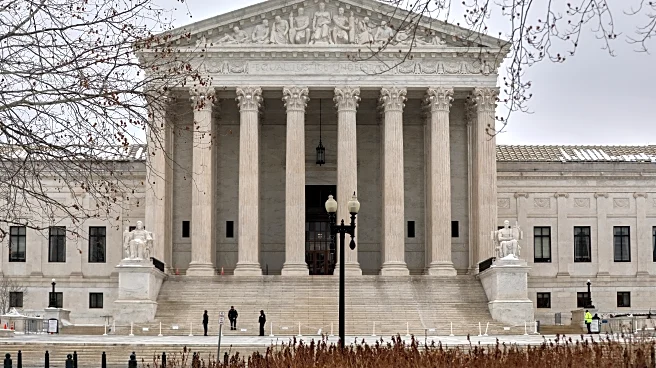
Garrard Conley, author of 'Boy Erased', expressed his dismay following the Supreme Court's 8-1 decision that limits states' ability to ban conversion therapy for minors, framing it as protected speech. Conley's memoir, published in 2016, details his experience
of being forced into conversion therapy at the age of 19, under the threat of losing his family. The therapy involved psychological pressure and exercises aimed at 'curing' homosexuality, which Conley describes as torturous. His book was adapted into a film in 2018, bringing further attention to the harms of conversion therapy. Conley has been a vocal advocate against the practice, contributing to legislative bans across the U.S. The Supreme Court's decision has been met with criticism, particularly for framing the issue as a matter of free speech rather than medical regulation.
Why It's Important?
The Supreme Court's ruling has significant implications for LGBTQ+ rights and the regulation of conversion therapy practices in the U.S. By framing conversion therapy as protected speech, the decision may undermine efforts to ban the practice, which has been widely criticized for its psychological harm. This ruling could embolden proponents of conversion therapy and complicate legislative efforts to protect minors from such practices. The decision also raises concerns about the treatment of LGBTQ+ identities as debatable rather than scientifically recognized, potentially affecting public policy and societal attitudes towards LGBTQ+ individuals. Conley's reaction highlights the emotional and psychological impact of the ruling on those who have experienced conversion therapy.
What's Next?
The Supreme Court's decision may prompt legislative and advocacy groups to explore alternative strategies to protect minors from conversion therapy. Legal experts and LGBTQ+ rights organizations are likely to analyze the ruling's implications and consider new approaches to challenge the practice. Public discourse around the ruling may intensify, with potential protests and campaigns aimed at raising awareness about the harms of conversion therapy. Stakeholders, including lawmakers and civil rights groups, may seek to address the broader issue of LGBTQ+ rights and protections in light of the court's decision.
Beyond the Headlines
The ruling could have long-term cultural and ethical implications, as it touches on the broader debate about the intersection of free speech and harmful practices. It may influence how society perceives and addresses issues related to sexual orientation and identity. The decision also highlights the ongoing struggle for LGBTQ+ rights and the need for continued advocacy and education to combat misinformation and discrimination. The ethical considerations surrounding conversion therapy, particularly its impact on mental health, may become a focal point for future discussions and policy-making.