







What's Happening?
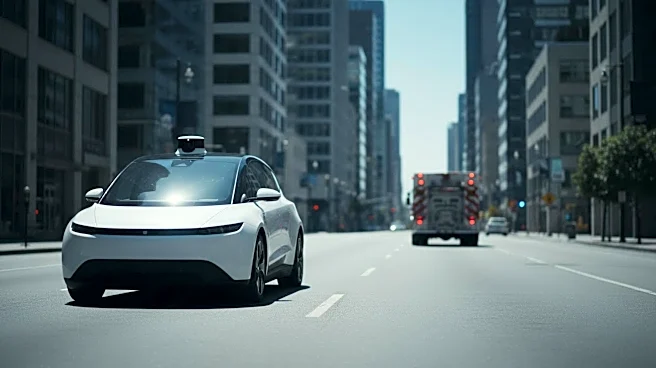
The National Highway Traffic Safety Administration (NHTSA) has issued a directive to autonomous vehicle (AV) developers, emphasizing the need for their vehicles to properly detect and respond to emergency situations involving first responders or law enforcement.
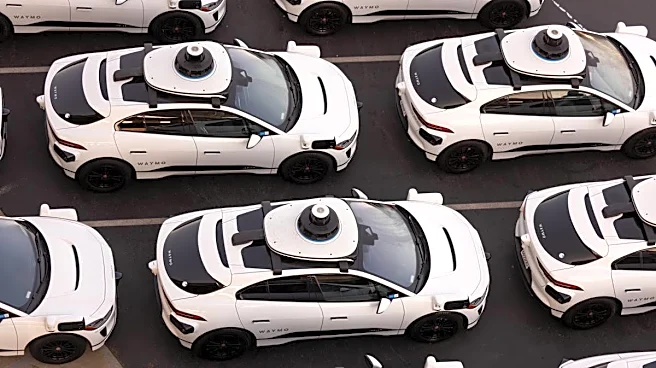
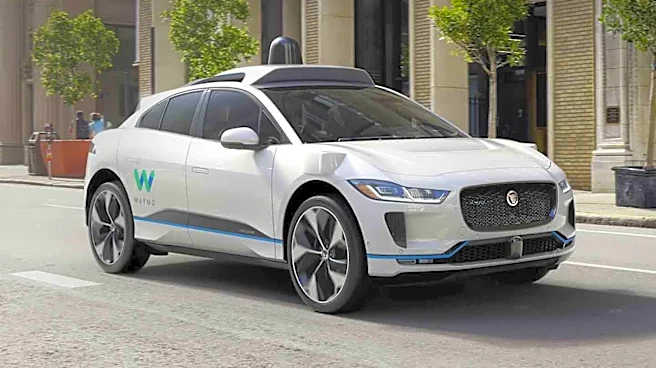
This directive follows incidents where AVs, particularly those operated by Waymo, have failed to adequately handle such scenarios. The NHTSA's administrator, Jonathan Morrison, highlighted that the inability to manage these situations is a significant functional deficiency. The directive calls for AV developers to focus their resources on addressing this issue, with a deadline to present solutions by the end of the month. This move comes amid growing scrutiny of the autonomous vehicle industry, especially in light of recent events in San Francisco where Waymo's robotaxis were involved in traffic disruptions.
Why It's Important?
The directive from the NHTSA underscores the critical safety concerns surrounding autonomous vehicles, which are increasingly becoming a part of urban transportation systems. The ability of these vehicles to safely interact with emergency services is crucial for public safety and the broader acceptance of AV technology. The directive could lead to significant changes in how AV companies design and test their vehicles, potentially impacting their operational costs and timelines. Companies like Waymo, which operate large fleets, may face increased regulatory scrutiny and pressure to enhance their systems. This development is significant for the AV industry as it navigates the balance between innovation and safety, with potential implications for public policy and urban planning.
What's Next?
Autonomous vehicle developers are expected to respond to the NHTSA's directive by the end of the month with proposed solutions to the identified safety issues. This may involve technological upgrades, increased testing, and collaboration with regulatory bodies to ensure compliance. The outcome of this directive could influence future regulations and standards for AVs, potentially affecting market dynamics and competitive positioning within the industry. Stakeholders, including city planners and public safety officials, will likely monitor these developments closely, as they could impact the integration of AVs into public transportation networks.