
What's Happening?
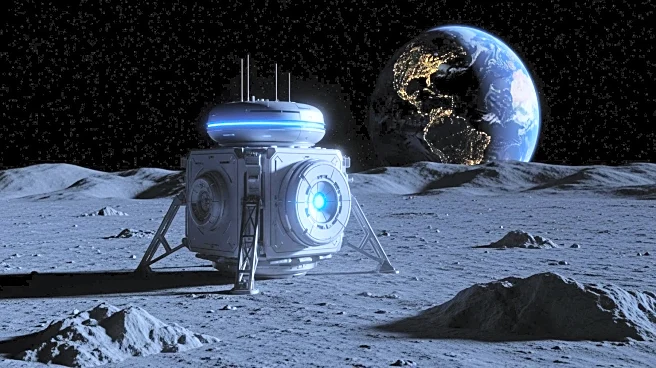
NASA and the U.S. Department of Energy have announced plans to develop and deploy a nuclear reactor on the moon by 2030. This initiative is part of President Trump's vision for space development, aiming
to establish a permanent lunar base. The agencies have signed a memorandum of understanding to achieve this goal, which involves deploying nuclear reactors both on the moon and in orbit. The reactors will use a fission surface power system to provide reliable electrical power for long-term lunar missions, regardless of environmental conditions.
Why It's Important?
The deployment of a nuclear reactor on the moon represents a significant step in space exploration and energy innovation. It underscores the U.S. commitment to maintaining leadership in space and advancing technological capabilities. The project could pave the way for sustainable human presence on the moon and future missions to Mars. It also highlights the strategic importance of space in national security and international competition, as other nations pursue their own space ambitions.
What's Next?
The development and deployment of the lunar nuclear reactor will involve collaboration between NASA, the DOE, and the commercial space industry. The project will require significant technological advancements and regulatory approvals. As the 2030 deadline approaches, stakeholders will focus on ensuring the reactor's safety and effectiveness. The initiative may also prompt discussions on international space policy and cooperation, as well as the ethical implications of nuclear power in space.