



What's Happening?
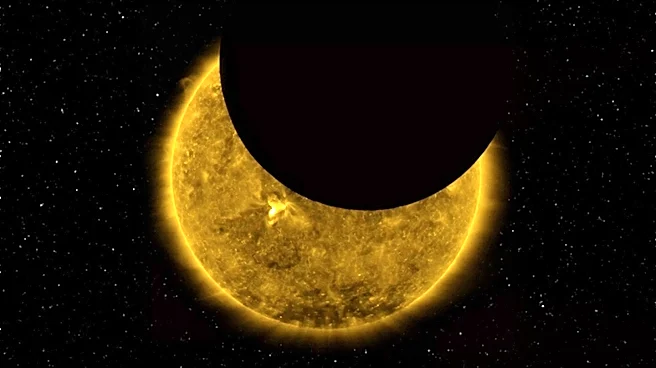
On August 12, 2026, skywatchers in northeastern North America will have the opportunity to witness a rare astronomical event: a partial solar eclipse followed by the peak of the Perseid meteor shower. This celestial double-header offers a unique chance
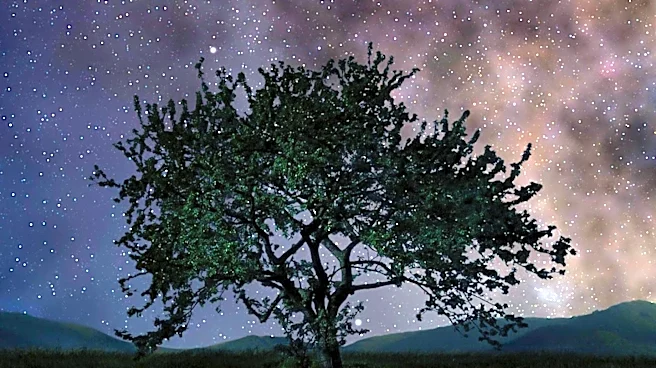
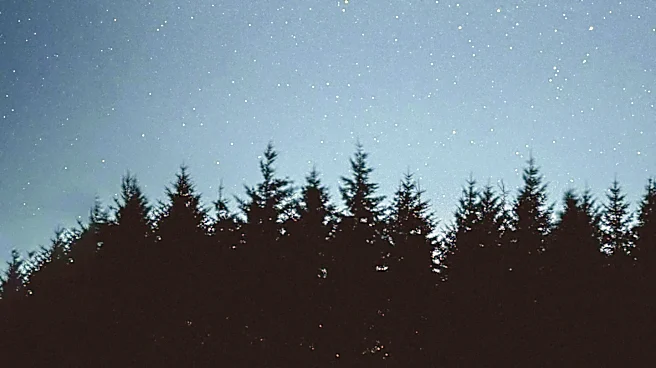
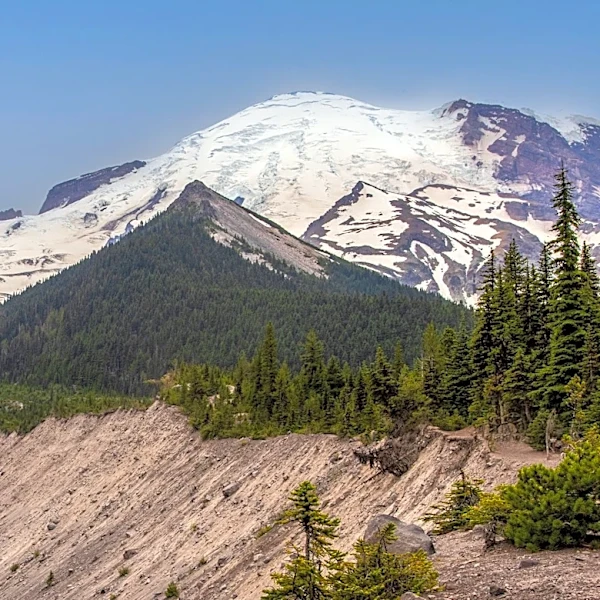
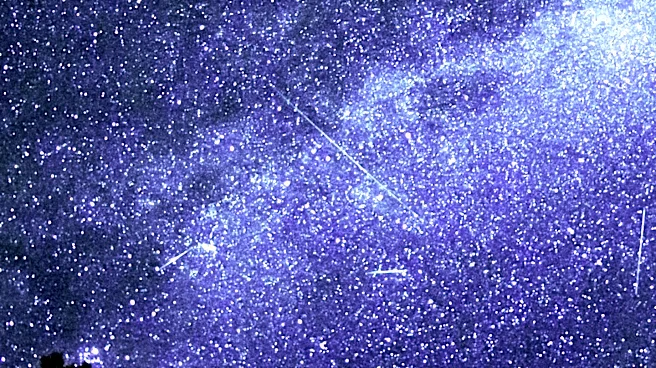
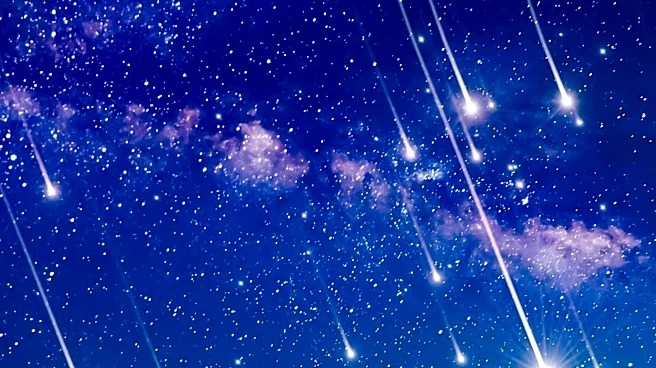
for enthusiasts to observe both phenomena in one day. The partial solar eclipse will occur in the afternoon, with the sun partially obscured, while the Perseid meteor shower will peak later that night under dark summer skies. Locations such as Assateague Island in Maryland, the Adirondack Mountains in New York, and Mont-Mégantic in Quebec are highlighted as prime spots for viewing due to their low light pollution and open horizons. Observers are advised to use proper solar viewing protection during the eclipse and to prepare for potentially busy camping nights as many will flock to these areas for optimal viewing conditions.
Why It's Important?
This event is significant for both amateur and professional astronomers as it provides a rare opportunity to observe two major celestial events in a single day. The partial solar eclipse, while not as dramatic as a total eclipse, still offers a chance to engage with a global astronomical event. The Perseid meteor shower is one of the most popular meteor showers due to its high visibility and frequency of meteors. This combination could boost interest in astronomy and encourage educational activities related to space science. Additionally, the influx of visitors to prime viewing locations could have economic benefits for local communities, as increased tourism may lead to higher demand for accommodations and services.
What's Next?
As the date approaches, preparations are likely to intensify among astronomy clubs, educational institutions, and local businesses in the regions identified as prime viewing spots. Public observatories and parks may organize special events or viewing parties to accommodate the expected influx of visitors. It is also anticipated that there will be increased public interest in purchasing solar viewing glasses and other equipment necessary for safe observation of the eclipse. Local authorities may need to manage traffic and crowd control to ensure a safe and enjoyable experience for all attendees.
Beyond the Headlines
Beyond the immediate excitement of the event, this celestial occurrence could have longer-term impacts on public interest in space and science education. It may inspire a new generation of astronomers and increase public awareness about the importance of preserving dark skies for astronomical observations. The event also highlights the need for public education on safe solar viewing practices to prevent eye damage during eclipses. Furthermore, the economic impact on local communities could lead to more investment in infrastructure to support future astronomical events.