






What's Happening?
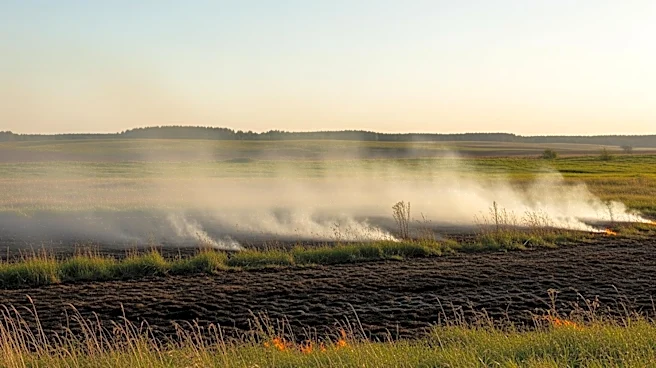
The Richland County Conservation Commission is undertaking prescribed burns on select conservation properties in the Old Bluff Road area, with activities scheduled to continue until April 30, weather permitting. These controlled burns are conducted by
trained forest managers who ignite targeted areas to maintain low-intensity fires under closely monitored conditions. The primary goal of these burns is to reduce the risk of wildfires by removing excess vegetation that can accumulate over time and increase fire danger. This practice is recognized as an effective land management tool that not only mitigates wildfire risks but also promotes healthier forest ecosystems. The controlled burns are sanctioned by the state Forestry Commission and adhere to strict safety and weather guidelines. Residents in the vicinity may notice smoke drifting beyond the conservation property boundaries during the burning process.
Why It's Important?
Prescribed burns are crucial for reducing the risk of uncontrolled wildfires, which can have devastating effects on communities, infrastructure, and natural resources. By removing excess vegetation, these burns help prevent the accumulation of fuel that can lead to larger, more dangerous fires. This proactive approach to land management is essential in areas prone to wildfires, especially given the increasing frequency and intensity of such events due to climate change. The practice not only protects local communities but also supports the health of forest ecosystems, ensuring biodiversity and resilience. The controlled nature of these burns allows for the safe management of fire, minimizing the risk to human life and property while achieving ecological benefits.
What's Next?
The prescribed burns in Richland County are expected to continue until the end of April, provided weather conditions remain favorable. The success of these burns could lead to further implementation of similar strategies in other regions facing wildfire risks. Local authorities and the state Forestry Commission will likely monitor the outcomes to assess the effectiveness and safety of the burns. Community feedback and environmental impact assessments may also play a role in shaping future land management policies. As climate change continues to influence weather patterns and increase the likelihood of wildfires, prescribed burns may become a more common tool in the arsenal of wildfire prevention strategies.