





What's Happening?
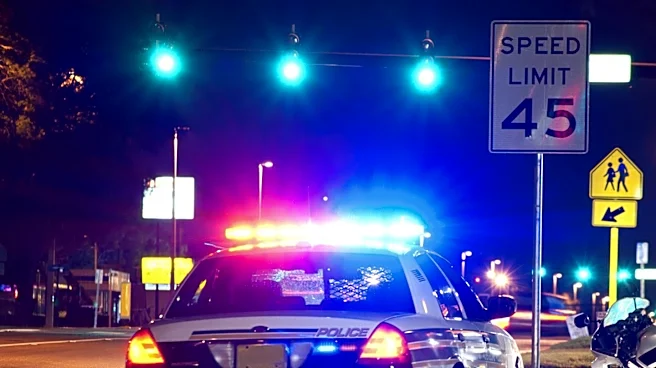
Two Phoenix police officers are currently under criminal investigation following accusations of misconduct during an unreported traffic stop. The Phoenix Police Department confirmed that preliminary information indicates the officers used force and failed
to report it, as required by policy, and did not activate their body-worn cameras. Both officers have been placed on administrative leave. The investigation was initiated after the Tempe Police Department received a call about a disabled vehicle. Tempe officers interviewed the vehicle's occupants, a man and a woman, who reported being assaulted during a violent traffic stop in south Phoenix. The victims described being pulled over by a white SUV with red and blue lights, followed by two men exiting the vehicle and assaulting them without identifying themselves. The assault allegedly involved punching, tasing, and restraining, with one suspect threatening the man with a handgun. The woman was reportedly handcuffed and pushed to the ground. The man managed to escape in the vehicle, which later became disabled in Tempe. The suspects then released the woman, threatening her.
Why It's Important?
This investigation is significant as it raises serious questions about police accountability, transparency, and adherence to established protocols within the Phoenix Police Department. The alleged failure to report the use of force and activate body-worn cameras directly undermines public trust and the integrity of law enforcement operations. Such incidents can lead to increased scrutiny of police practices, potentially impacting community relations and calls for reform. For the victims, the experience highlights the vulnerability individuals face when encountering law enforcement, especially when procedures designed to ensure safety and accountability are bypassed. The involvement of two different police departments (Phoenix and Tempe) in uncovering the incident also underscores the importance of inter-agency cooperation and independent oversight in addressing potential misconduct. The outcome of this investigation could influence future training, policy enforcement, and disciplinary actions within the Phoenix Police Department, setting a precedent for how similar allegations are handled.
What's Next?
The Phoenix Police Department's Special Investigations Detail is conducting a criminal investigation into these allegations. Following the completion of the criminal investigation, the Professional Standards Bureau will initiate an administrative investigation. The officers under investigation have not yet been interviewed as part of the criminal inquiry. The department has stated its commitment to transparency and accountability, promising to share additional information as the investigation progresses. The victims, who are considered witnesses to a crime, have not been publicly identified. The findings of both the criminal and administrative investigations will determine the legal and professional consequences for the officers involved, which could range from disciplinary action to criminal charges. This case will likely be closely watched by community groups and civil rights advocates, who may push for systemic changes if the investigation reveals broader issues within the department.
Beyond the Headlines
This incident delves into deeper issues concerning the culture of policing and the mechanisms of oversight. The alleged failure to activate body cameras and report the use of force suggests a potential disregard for established procedures, which are critical tools for accountability and evidence collection. It also brings to light the psychological impact on victims who experience alleged abuse of power by individuals in authority, potentially eroding their trust in the justice system. The fact that the incident came to light through the victims' report to another police department, rather than internal reporting, raises questions about the effectiveness of internal monitoring systems. This case could prompt a re-evaluation of training programs, internal reporting structures, and the enforcement of body camera policies to prevent similar occurrences and rebuild public confidence in law enforcement. It also underscores the ongoing national conversation about police reform and the balance between officer discretion and strict adherence to protocols.