


What's Happening?
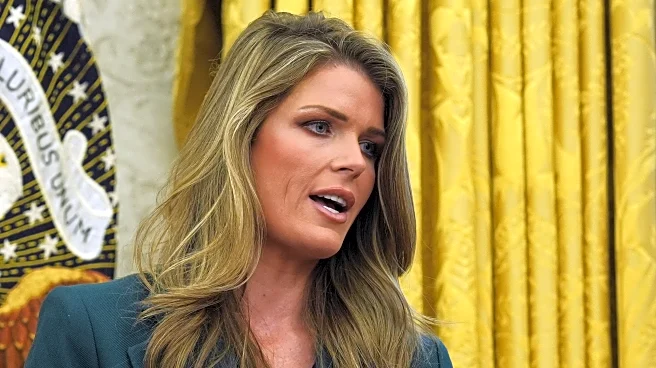
The Florida Bar Association recently clarified that there is no ongoing ethics investigation into Lindsey Halligan, a former interim US attorney appointed by President Trump. This clarification follows a previous statement that erroneously suggested an investigation was
underway. Halligan, primarily known as an insurance litigator and personal lawyer to President Trump, was appointed as the US attorney for the Eastern District of Virginia despite lacking prosecutorial experience. Her appointment and subsequent actions, including indictments against political figures Letitia James and James Comey, were criticized and later dismissed by a federal judge. The Campaign for Accountability, a watchdog organization, had filed a complaint alleging Halligan's appointment was unlawful and violated ethics rules. The Florida Bar's recent statement indicates they are monitoring related legal proceedings but are not conducting an investigation.
Why It's Important?
This development is significant as it highlights the complexities and controversies surrounding political appointments and their legal ramifications. The case of Lindsey Halligan underscores the potential for political influence in judicial appointments and the challenges of maintaining ethical standards in such contexts. The Florida Bar's clarification may impact public trust in legal oversight mechanisms and the accountability of legal professionals. It also raises questions about the processes and criteria for appointing interim US attorneys, especially when political motivations are perceived. The outcome of this situation could influence future appointments and the scrutiny they receive from both legal bodies and the public.
What's Next?
While the Florida Bar has stated there is no investigation, the Campaign for Accountability may continue to pursue the matter, potentially seeking further legal or administrative actions. The situation could prompt discussions within legal and political circles about the need for clearer guidelines and oversight in the appointment of interim US attorneys. Additionally, the Justice Department's proposal to intervene in state bar investigations could face scrutiny and debate, particularly regarding its implications for state autonomy and federal oversight. Stakeholders, including legal professionals and political leaders, may weigh in on these issues, influencing future policy and procedural changes.