




What's Happening?
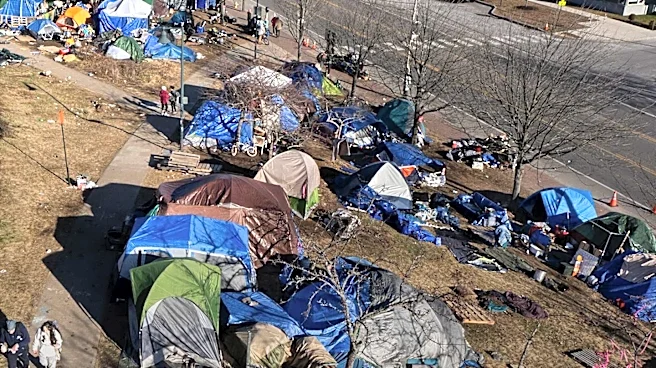
Congressman Dan Meuser (PA-09) has introduced H.R. 10168, the Veterans Housing Opportunity Act, aimed at increasing housing assistance for veterans who are experiencing or are at risk of homelessness. This legislation proposes a five-year pilot program
within the U.S. Department of Housing and Urban Development (HUD). The program's core function is to identify underutilized HUD-Veterans Affairs Supportive Housing (HUD-VASH) rental assistance funding and reallocate it to areas with higher demand for veteran housing. The HUD-VASH program currently combines HUD rental assistance with VA case management and supportive services to help veterans secure and maintain stable housing. However, its effectiveness is limited by HUD's inability to reallocate unused vouchers to communities where the need is greatest. Congressman Meuser collaborated with the Tunnel to Towers Foundation in drafting this legislation, a national nonprofit dedicated to providing housing opportunities for veterans, first responders, and Gold Star families. Meuser emphasized that no veteran who has served the country should be without a safe home, and this act will provide HUD with the flexibility to direct assistance where it is most needed.
Why It's Important?
This legislation is important because it addresses a critical gap in existing federal programs designed to combat veteran homelessness. By enabling HUD to reallocate underutilized HUD-VASH funding, the Veterans Housing Opportunity Act aims to maximize the impact of current resources, ensuring that housing assistance reaches veterans in communities with the most pressing needs. This could significantly reduce the number of homeless veterans by providing stable housing and supportive services. The involvement of the Tunnel to Towers Foundation highlights a collaborative effort between government and non-profit organizations to tackle this issue, potentially setting a precedent for future partnerships. The current limitation of HUD-VASH, where unused vouchers cannot be moved to areas of greater demand, means that valuable resources are not being fully optimized. This act seeks to rectify that inefficiency, directly impacting the well-being and stability of thousands of veterans across the country and potentially improving their access to essential support services.
What's Next?
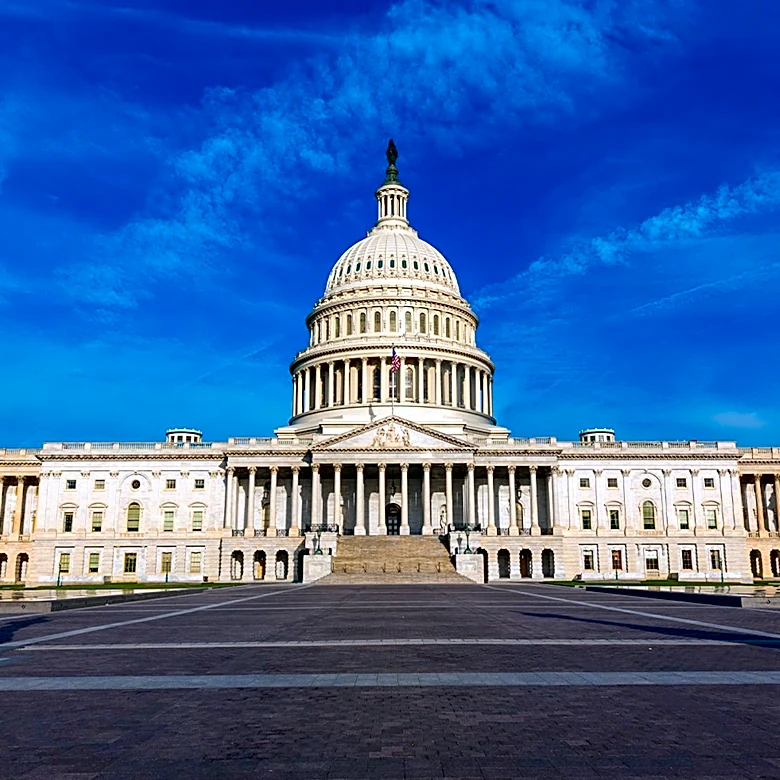
The Veterans Housing Opportunity Act (H.R. 10168) will now proceed through the legislative process in Congress. It will likely undergo committee review, potential amendments, and votes in both the House of Representatives and the Senate. If passed by both chambers, it would then be sent to the President for signature to become law. Should the bill be enacted, HUD would be tasked with establishing the five-year pilot program, developing criteria for identifying underutilized funds, and creating a mechanism for their reallocation. The U.S. Department of Veterans Affairs would also be involved in coordinating the supportive services component of the HUD-VASH program within the new framework. Stakeholders, including veteran advocacy groups like the Tunnel to Towers Foundation, will likely monitor its progress and implementation closely, advocating for its swift and effective execution to ensure that more veterans receive the housing assistance they require.
Beyond the Headlines
Beyond the immediate goal of housing more veterans, this legislation touches upon broader themes of governmental efficiency and resource allocation. The identification and reallocation of 'underutilized' funds within a federal program highlight a systemic challenge in large-scale government initiatives. This act could serve as a model for how other federal programs might be reformed to ensure that taxpayer money is spent more effectively and reaches its intended beneficiaries. Furthermore, the collaboration between Congressman Meuser and the Tunnel to Towers Foundation underscores the growing importance of public-private partnerships in addressing complex social issues. Such collaborations can bring diverse expertise and resources to bear on problems that government agencies alone might struggle to solve. The act also implicitly acknowledges the ongoing societal responsibility to care for those who have served in the military, reinforcing the moral imperative to prevent veteran homelessness and provide comprehensive support.