






What's Happening?
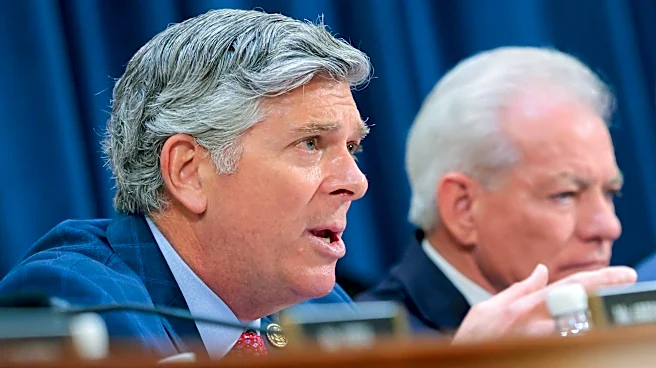
Congressman Rick W. Allen (GA-12), alongside a bipartisan group of Members, has sent a letter to House Appropriations Committee Chairman Tom Cole and Ranking Member Rosa DeLauro. The letter requests additional funding for the Emergency Forest Restoration
Program (EFRP). This initiative comes in response to a substantial increase in demand for disaster programs, including EFRP, particularly in Georgia, due to numerous large disaster events in recent years. The EFRP is crucial for assisting landowners and foresters in recovering from natural disasters that impact forest lands. The bipartisan effort underscores a shared recognition of the growing need for federal support in disaster recovery and forest management.
Why It's Important?
The request for increased EFRP funding is important for several reasons. Firstly, it highlights the escalating impact of natural disasters on U.S. forest lands and the agricultural sector, particularly in states like Georgia. Adequate funding for EFRP ensures that private landowners and foresters have the necessary resources to restore damaged forests, which are vital for environmental health, timber production, and local economies. Without sufficient support, recovery efforts could be delayed, leading to long-term ecological damage and economic hardship for affected communities. This bipartisan appeal also signals a potential area of consensus in a politically divided Congress, suggesting that disaster relief and environmental restoration can transcend partisan lines, benefiting a wide range of stakeholders from rural communities to the national timber industry.
What's Next?
The next step involves the House Appropriations Committee's review of the bipartisan letter and its consideration during the budget allocation process. Chairman Tom Cole and Ranking Member Rosa DeLauro will assess the request for additional EFRP funding in the context of overall federal spending priorities and other disaster relief needs. If the request is approved, it would lead to an increase in federal aid available for forest restoration projects, potentially accelerating recovery efforts in disaster-stricken areas. Stakeholders, including foresters, landowners, and environmental groups, will likely monitor the committee's decision closely, as it will directly impact their ability to mitigate the effects of future natural disasters and maintain healthy forest ecosystems.
Beyond the Headlines
Beyond the immediate need for disaster relief, this request for EFRP funding touches upon broader implications concerning climate change and sustainable land management. The increasing frequency and intensity of large disaster events, as noted in the request, suggest a growing vulnerability of U.S. forest ecosystems to environmental shifts. Investing in programs like EFRP is not just about post-disaster recovery but also about building resilience and promoting sustainable forestry practices that can better withstand future challenges. It underscores the long-term economic and ecological value of healthy forests, which provide critical ecosystem services, support biodiversity, and contribute significantly to the national economy through timber and related industries. The bipartisan nature of the request could also set a precedent for future collaborative efforts on environmental and disaster-related policy.