





What's Happening?
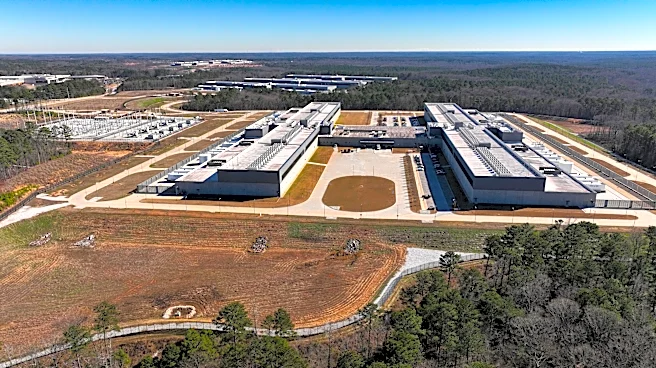
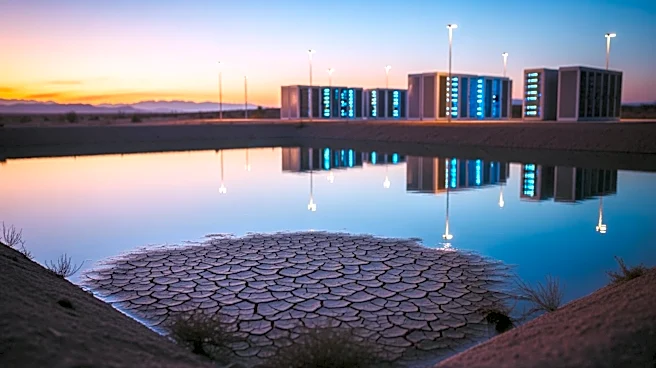
A report by the United Nations University Institute for Water, Environment and Health warns that data centers are expected to double their power and water consumption by 2030 due to the growing demand from artificial intelligence (AI). In 2025, data centers consumed
448 terawatt-hours of electricity globally, with AI accounting for a significant portion. The report highlights the environmental costs associated with AI, including increased carbon emissions and electronic waste. The institute's director, Kaveh Madani, emphasized the need for responsible planning to prevent resource strain and environmental degradation. The report calls for governments to address these challenges as AI infrastructure continues to expand.
Why It's Important?
The anticipated increase in resource consumption by data centers underscores the environmental impact of AI technology. As AI becomes more integrated into various sectors, the demand for data processing and storage will rise, leading to greater energy and water use. This trend poses significant challenges for sustainability efforts and resource management. The report's findings highlight the need for policymakers and industry leaders to consider the environmental implications of AI development and to implement strategies that balance technological advancement with ecological responsibility.
What's Next?
Governments and industry stakeholders may need to collaborate on developing sustainable practices for data center operations. This could involve investing in renewable energy sources, improving energy efficiency, and implementing water conservation measures. The report's call for responsible planning suggests that early intervention is crucial to avoid locking in unsustainable infrastructure. As AI continues to evolve, ongoing assessment of its environmental impact will be necessary to ensure that technological progress does not come at the expense of ecological health.