



What's Happening?
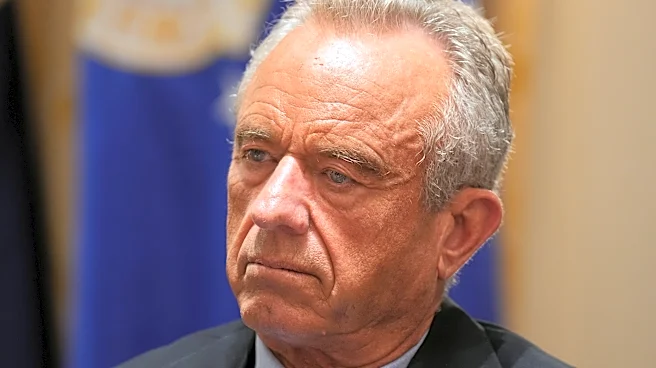
U.S. Health Secretary Robert F. Kennedy Jr. announced the decertification of Network for Hope, a nonprofit coordinating organ donations in Kentucky, citing safety lapses and unethical practices. During a visit to the University of Kentucky, Kennedy highlighted
a federal investigation that revealed the organization pursued organs from critically ill patients who were recovering, with serious deficiencies found in nearly 30% of cases reviewed. The decision is part of a broader effort to address unsafe practices in the U.S. organ transplant system. The scrutiny began after a case involving Anthony Thomas 'TJ' Hoover II, whose family agreed to donate his organs after being told he would not recover, only for him to show signs of life during the donation process.
Why It's Important?
The decertification of Network for Hope underscores significant concerns about the integrity and safety of the U.S. organ donation system. This action by the federal government aims to restore trust in the system, ensuring that organ donors and their families can have confidence in the ethical standards of organ donation processes. The decision could lead to increased scrutiny and reforms in other organ donation organizations, potentially impacting how organ donations are managed nationwide. It highlights the need for stringent oversight to prevent similar incidents and protect patients' rights.
What's Next?
Network for Hope has the opportunity to appeal the government's decision. The outcome of this appeal could set a precedent for how similar cases are handled in the future. The organization has previously stated its compliance with laws and guidelines, and the appeal process will likely involve a thorough review of their practices. The broader implications for the organ donation system may include increased regulatory measures and potential reforms to ensure safety and ethical standards are upheld.