



What's Happening?
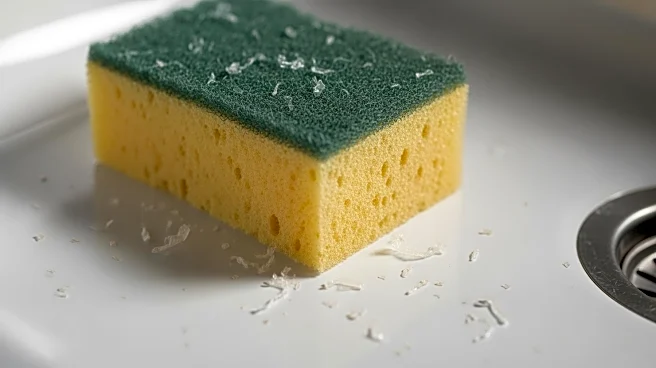
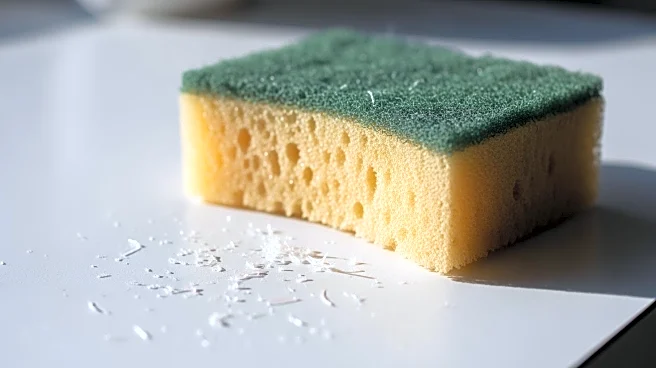
Researchers from the University of Bonn have conducted a study revealing that kitchen sponges, a common household item, release microplastic particles during regular use. The study aimed to quantify the release of microplastics and assess the environmental
impact through a life cycle assessment. Volunteers from Germany and North America participated by using different types of sponges in their daily routines, while laboratory tests simulated the mechanical stress sponges undergo during dishwashing. The findings indicate that all sponge types release microplastics, with the amount varying by type. However, the study found that the environmental impact of manual dishwashing is predominantly due to water consumption, which accounts for 85 to 97 percent of the total impact.
Why It's Important?
The release of microplastics from kitchen sponges contributes to environmental pollution, with potential health risks such as cancer and infertility linked to microplastic exposure. Although wastewater treatment plants capture most microplastics, significant amounts still enter aquatic environments and soils. This study underscores the need for consumers to consider alternatives, such as plant-based sponges, to reduce plastic use. The broader environmental impact of dishwashing highlights the importance of water conservation, as hand washing dishes can use significantly more water than dishwashers. This research adds to the growing body of evidence on the environmental and health implications of microplastics, urging a reevaluation of everyday household practices.
What's Next?
The study suggests that consumers can mitigate the environmental impact by opting for biodegradable sponges and reducing water usage. Additionally, there is a call for improved methods of handling wastewater sludge to prevent microplastics from entering the environment. The findings may prompt further research into alternative materials for household products and encourage policy discussions on reducing plastic waste. As awareness of microplastic pollution grows, there may be increased pressure on manufacturers to develop eco-friendly products and on governments to implement stricter regulations on plastic use.
Beyond the Headlines
The study highlights a less obvious but significant environmental issue: the role of everyday household items in contributing to microplastic pollution. It raises ethical questions about consumer responsibility and the need for sustainable practices. The research also points to the potential for innovation in product design, encouraging the development of materials that minimize environmental impact. This could lead to a shift in consumer behavior and market demand towards more sustainable products, influencing industry standards and practices.