
What's Happening?
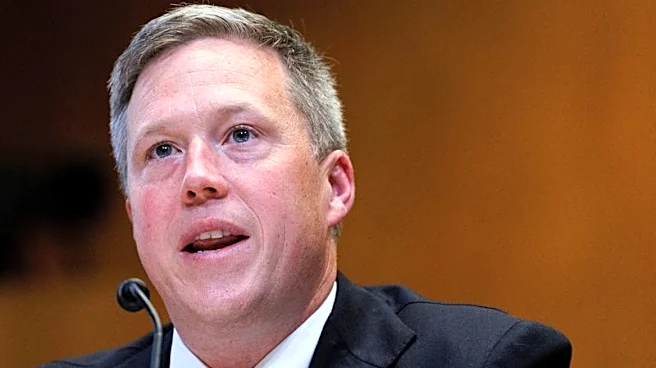
U.S. Army Secretary Dan Driscoll has resigned, effective Wednesday, without publicly stating a reason for his departure. Driscoll, known for his close ties to Vice President JD Vance and his efforts to modernize the Army, reportedly experienced friction
with Defense Secretary Pete Hegseth. This resignation is the latest in a series of high-profile exits by allies of Vice President Vance, including Director of National Intelligence Tulsi Gabbard, Deputy National Security Adviser Andy Baker, White House Director of Legislative Affairs James Braid, and Director of the National Counterterrorism Center Joe Kent. The departures occur as the second Trump administration reaches its halfway point and amid ongoing U.S. military airstrikes against Iran. Driscoll had previously raised concerns directly with President Trump regarding Hegseth's firing of several senior military officials, including Army and Air Force generals and the Secretary of the Navy, an issue President Trump was reportedly unaware of.
Why It's Important?
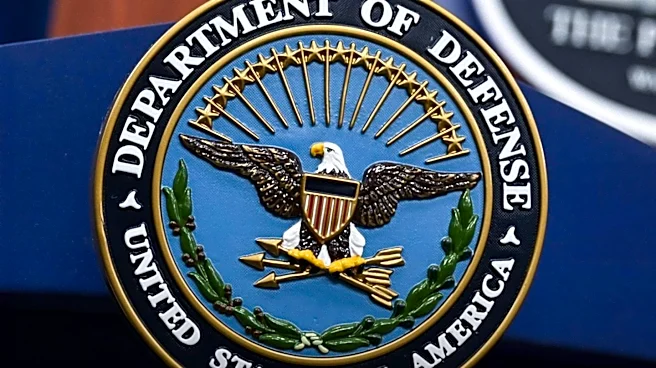
The resignation of Army Secretary Dan Driscoll signals potential shifts in the U.S. defense establishment and broader political dynamics within the Trump administration. His departure, alongside other Vance allies, suggests a possible reordering of influence, particularly concerning foreign policy. The reported clashes between Driscoll and Defense Secretary Hegseth, especially over the dismissal of military officials, highlight internal tensions at the highest levels of the Pentagon. This could impact military leadership stability and decision-making, particularly regarding ongoing operations like the airstrikes against Iran. The exits also hint at a growing rivalry between Vice President Vance and Secretary of State Marco Rubio for the 2028 Republican presidential nomination, with some sources suggesting a 'turf war' where Rubio's more hawkish faction is gaining ground. This internal struggle could shape future U.S. foreign policy and defense strategies, potentially leading to a more interventionist stance.
What's Next?
The immediate consequence of Secretary Driscoll's resignation will be the appointment of a new Army Secretary, which could further solidify or shift the balance of power within the Pentagon. The ongoing U.S. military airstrikes against Iran will continue to be a critical area of focus, and the new leadership's approach to this conflict will be closely watched. The series of departures of Vice President Vance's allies suggests a potential consolidation of power by other factions within the administration, possibly leading to a more unified, or less internally diverse, approach to policy. This could also intensify the perceived rivalry between Vice President Vance and Secretary of State Marco Rubio, as their respective allies either leave or gain influence. Observers will be looking for further personnel changes and policy shifts that might indicate the direction of the administration's foreign and defense policies as it moves towards the latter half of its term.
Beyond the Headlines
Driscoll's resignation and the broader pattern of Vance allies leaving the administration could have deeper implications for the future of the Republican Party and U.S. foreign policy. Some sources suggest a 'war' on realists and restrainers, aiming to impose a pre-Trump neoconservative foreign policy. This ideological struggle could lead to a more hawkish stance in international relations, potentially increasing military engagements and interventions. The consolidation of control over military decisions by Defense Secretary Hegseth, as reported, could marginalize the input of uniformed brass, leading to a more politically driven defense strategy. Furthermore, the perceived weakening of Vice President Vance's influence might make it harder for him to distance himself from controversial policies, such as the Iran war, which could impact his prospects for the 2028 presidential nomination. This internal power struggle reflects a broader debate within the Republican Party about its future direction on foreign policy.