
What's Happening?
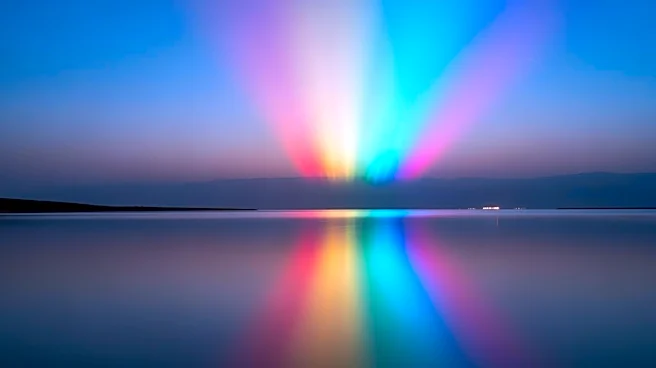
Israel is preparing to host the largest LGBT festival in the Middle East, named Pride Land, at the Dead Sea from June 1 to June 4, 2026. The festival aims to transform the Judean Desert into a vibrant
pride city, featuring 15 hotels, beach complexes, and a central performance arena operating around the clock. The event will include cultural and art complexes, relaxation areas, and family-friendly activities, creating a multigenerational 'Pride City.' The festival's main stage will feature performances by artists such as Harel Skaat, Dana International, and Ivri Lider, alongside DJs from the Israeli LGBT community. The initiative, led by Aaron Cohen, seeks to highlight the Dead Sea region as a permanent destination for LGBT tourists, expanding the reach of Pride celebrations beyond Tel Aviv.
Why It's Important?
The Pride Land festival represents a significant cultural and social development in the Middle East, a region where LGBT rights and visibility have historically faced challenges. By hosting such a large-scale event, Israel is positioning itself as a leader in promoting LGBT inclusivity and tourism in the region. This festival not only aims to celebrate diversity and acceptance but also seeks to boost the local economy by attracting international visitors. The event's success could encourage other countries in the region to consider similar initiatives, potentially fostering greater acceptance and understanding of LGBT communities across the Middle East.
What's Next?
As the festival approaches, organizers will focus on finalizing logistics and ensuring the safety and security of attendees, given the region's complex security dynamics. The success of Pride Land could lead to its establishment as an annual event, further solidifying the Dead Sea as a key destination for LGBT tourism. Additionally, the festival may prompt discussions on LGBT rights and visibility within Israel and neighboring countries, potentially influencing public policy and societal attitudes.
Beyond the Headlines
The Pride Land festival could have long-term implications for the cultural landscape of the Middle East. By creating a space for open expression and celebration of LGBT identities, the event challenges traditional norms and promotes a message of inclusivity. This could inspire similar movements and events in other parts of the region, gradually shifting cultural perceptions and increasing acceptance of diverse identities. Furthermore, the festival's emphasis on community and collaboration highlights the potential for cultural events to serve as catalysts for social change.