








What's Happening?
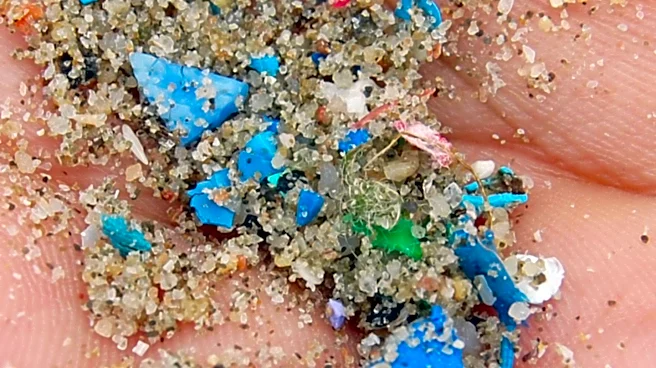
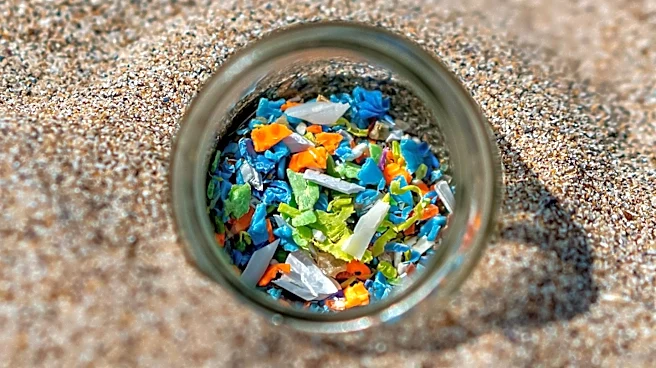
At the AWWA ACE26 conference, experts discussed the complexities of regulating microplastics in drinking water. Brent Alspach, VP and Director of Applied Research, highlighted the challenges in defining microplastics due to their varied sizes and types.
The discussion emphasized the growing public concern over microplastics and the scientific gaps that complicate regulation. Despite increased interest, establishing regulations remains difficult due to the need for standardized sampling and analytical methods, as well as understanding the health impacts and exposure pathways of microplastics.
Why It's Important?
The regulation of microplastics in drinking water is significant as it addresses public health concerns and environmental sustainability. Microplastics are pervasive in the environment, and their presence in water supplies raises questions about potential health risks. Developing effective regulations could lead to improved water quality and safety standards, benefiting consumers and water utilities. The issue also highlights the need for further research and innovation in water treatment technologies to effectively remove microplastics.
What's Next?
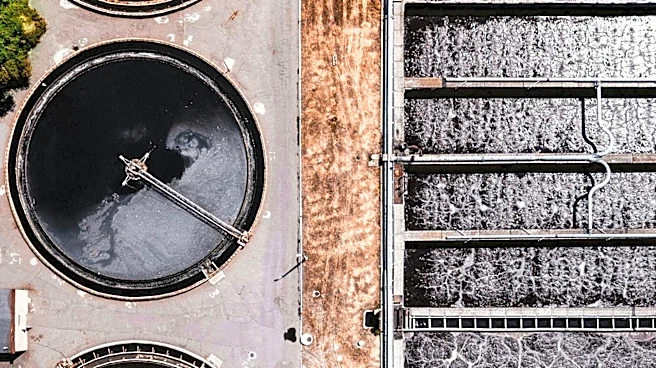
Future steps involve continued research to better understand the health impacts of microplastics and to develop reliable methods for their detection and removal. Water utilities may need to prepare for potential regulatory changes by investing in new technologies and infrastructure. Collaboration between scientists, policymakers, and industry stakeholders will be crucial in advancing the regulatory framework. Public awareness and advocacy could also play a role in accelerating policy development.