




What's Happening?
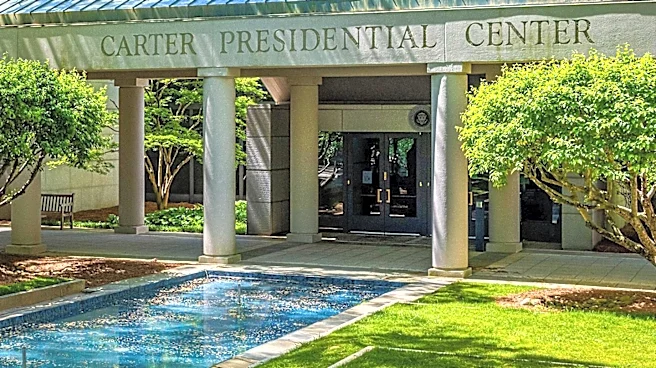
The Carter Center's Democracy Program has announced a partnership with the Democratic Erosion Consortium (DEC) to provide election observation opportunities and resources to DEC-affiliated classes. This collaboration aims to strengthen democracy through
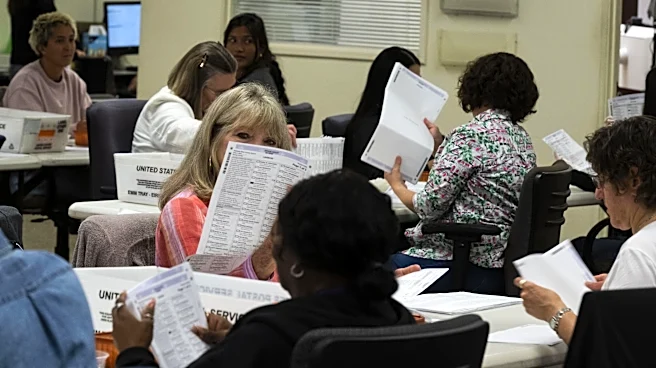
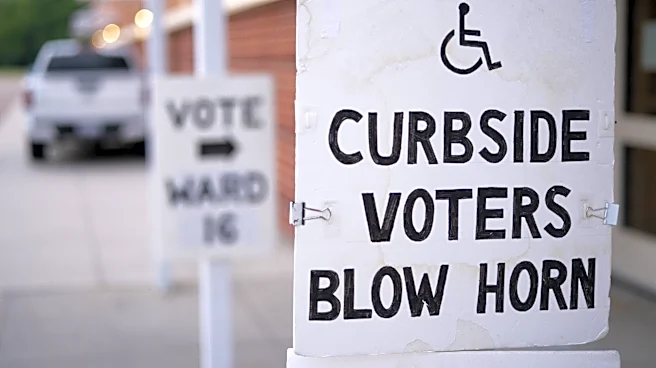
nonpartisan election observation, civic engagement, and building public trust in electoral processes. As part of this initiative, the Carter Center recently launched a free 'Democracy, Elections, and Election Monitoring' course syllabus, developed by Katarina Moyon. Some DEC faculty members have already integrated election monitoring components into their courses, offering students practical, hands-on experience. For instance, students at Gonzaga University, under Dr. Albana Dwonch, engaged with election auditors, observed ballot equipment accuracy testing, and monitored polling locations in Spokane County, gaining direct insight into election operations.
Why It's Important?
This partnership is significant because it directly addresses the need for increased transparency and public understanding of electoral processes in the United States. By providing students with direct election observation experience, it fosters a deeper appreciation for the integrity of democratic institutions and helps build trust in election outcomes. Equipping future generations with practical knowledge of how elections function is crucial for combating misinformation and strengthening civic engagement. Furthermore, the collaboration between an established organization like the Carter Center and an academic consortium like DEC amplifies the reach and impact of these educational efforts, contributing to a more informed and active citizenry capable of safeguarding democratic principles.
What's Next?
The partnership is expected to expand its offerings, encouraging more DEC faculty affiliates to integrate election observation and civic engagement components into their curricula. The Carter Center's syllabus and resources will likely become a standard tool for participating institutions, facilitating a consistent approach to election monitoring education. Future plans may include developing more advanced training modules, organizing student-led research projects on electoral integrity, and potentially expanding observation opportunities to a wider range of local and state elections. The initiative also aims to encourage more universities to join the DEC network, thereby broadening the impact of these civic education efforts across the country.
Beyond the Headlines
Beyond the immediate educational benefits, this partnership has broader implications for the health of American democracy. By demystifying the electoral process through direct observation, it helps to counter narratives that undermine public confidence in elections. It cultivates a generation of citizens who are not only knowledgeable about democratic procedures but also actively involved in their oversight. This hands-on approach can transform abstract concepts of democracy into tangible experiences, fostering a sense of ownership and responsibility among young people. Ultimately, such initiatives contribute to building a more resilient democratic culture, where informed participation and vigilance are seen as essential duties of citizenship, thereby reinforcing the foundational pillars of the nation's governance.