








What's Happening?
A Pfizer manufacturing plant in Gujarat, India, which supplies generic chemotherapy drugs to the U.S., will not reopen until 2028 due to flood damage. This extended closure, reported by the American Society of Health-System Pharmacists (ASHP), significantly
prolongs existing shortages of several critical cancer medications. The plant produced generic chemotherapy drugs used to treat various cancers, including leukemia, Hodgkin lymphoma, and colorectal, pancreatic, and testicular cancers. Some of these drugs were already in short supply before the flooding incident. Recent additions to ASHP's shortage list include Pfizer cytarabine injection products, bleomycin products from Pfizer and other manufacturers, and irinotecan products. The closure means that patients and healthcare providers will face continued challenges in accessing these essential treatments for an extended period, impacting treatment planning and clinical trials.
Why It's Important?
The prolonged closure of the Pfizer plant in India has significant implications for cancer care in the U.S. The extended shortage of generic chemotherapy drugs will continue to strain cancer centers, which have already reported widespread shortages. A National Comprehensive Cancer Network survey indicated that all 31 responding cancer centers experienced at least one anticancer drug shortage, with ifosfamide and carboplatin being particularly affected. While most centers have managed to keep patients on schedule through mitigation strategies, some have been unable to maintain intended treatments, and clinical trials have also been impacted. The situation creates immense stress for patients and their families, who face uncertainty about the availability of their next dose. The reliance on overseas manufacturing for critical generic drugs highlights vulnerabilities in the U.S. pharmaceutical supply chain, underscoring the need for more resilient domestic production.
What's Next?
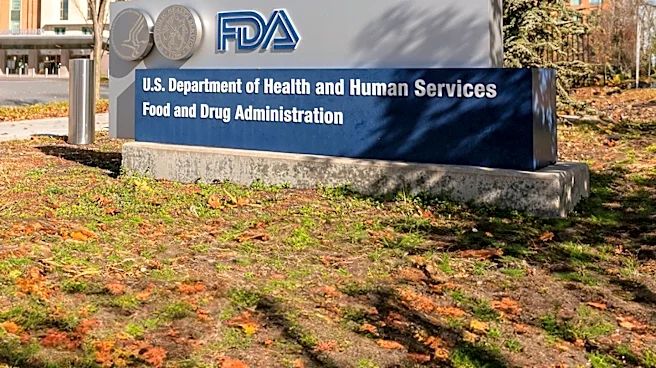
The extended shortage is expected to continue until at least 2028, forcing healthcare providers to continue implementing mitigation strategies, such as adjusting treatment regimens or seeking alternative suppliers. Patients are advised to consult their oncology teams regarding their specific treatment plans and potential impacts of the shortage. Policy discussions are likely to intensify regarding pharmaceutical supply chain resilience. ASHP has advocated for reshoring and nearshoring drug production, along with long-term purchasing contracts to ensure reliable supply. The federal government is also developing plans to move the production of 86 critical drugs to the U.S. In the interim, the FDA may consider allowing temporary imports from other overseas manufacturers, as it has done in previous shortage crises, such as the 2023 cisplatin shortage, to alleviate immediate supply pressures.
Beyond the Headlines
This situation underscores a broader issue of global pharmaceutical supply chain fragility, particularly concerning generic drugs where manufacturing is often concentrated in a few overseas facilities. The incident highlights the economic and public health risks associated with this concentration, as disruptions like natural disasters can have far-reaching consequences. The ethical implications of drug shortages are also significant, as healthcare providers may be forced to make difficult decisions about rationing or altering treatments, potentially impacting patient outcomes and equity of access. The long-term solution likely involves a multi-faceted approach, including government incentives for domestic manufacturing, diversification of supply sources, and international cooperation to build more robust and resilient pharmaceutical supply chains that can withstand unforeseen disruptions.