



What's Happening?
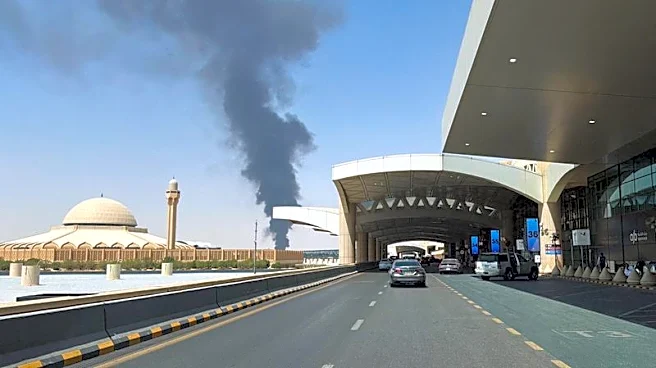
The global economy is currently grappling with a series of compounding crises, including supply shocks, energy affordability challenges, and logistics disruptions. These issues are exacerbated by the spillover impacts of the Middle East crisis, converging
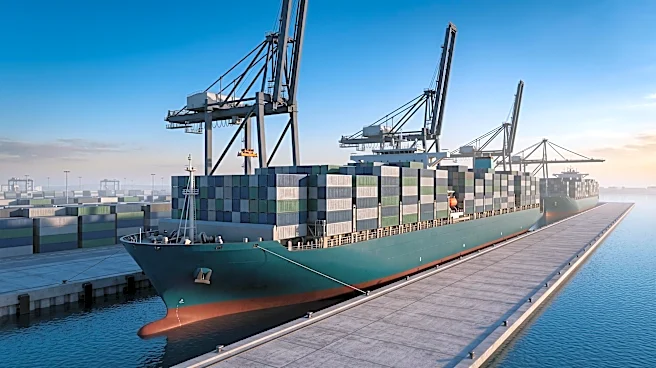
with natural phenomena like El Niño, and leading to volatility in food and energy prices. Developing countries are particularly vulnerable, facing simultaneous domestic production shocks, higher import costs, and increased needs for social protection and livelihood support. The international system is urged to provide integrated support rather than fragmented responses to address these complex and interconnected challenges. The situation highlights emerging sources of global fragility and the strategic leveraging of chokepoints for geopolitical means, impacting trade and transport routes, tourism, remittances, investment, and fiscal stability.
Why It's Important?
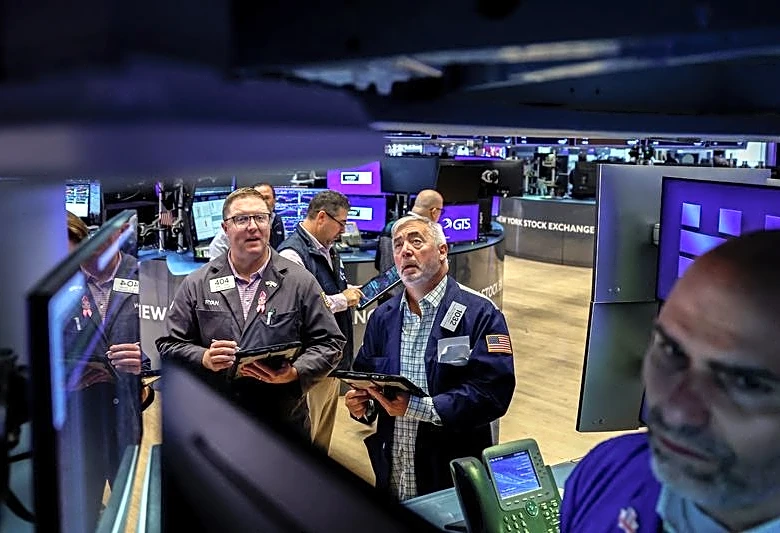
This confluence of crises has significant implications for the U.S. and global economy. Supply chain disruptions can lead to increased costs for consumers and businesses, impacting inflation and economic stability. Energy affordability challenges can strain household budgets and industrial operations, potentially slowing economic growth. For U.S. businesses, these global issues translate into higher operational costs, difficulties in sourcing materials, and unpredictable market conditions. The instability in developing countries can also affect global trade partners and create humanitarian challenges, which can have broader geopolitical and economic repercussions. The need for integrated international responses underscores the interconnectedness of the global economy, where shocks in one region can quickly propagate worldwide, affecting U.S. economic interests and national security.
What's Next?
The immediate focus is on developing and implementing integrated support mechanisms to help countries navigate these compounding crises. This involves matching country demand with the full range of UN capacities and connecting rapid catalytic finance with larger-scale public and private funding. The goal is to transform short-term response packages into durable resilience and accelerate progress towards Sustainable Development Goals. Stakeholders, including Member States, UN leaders, international financial institutions, and partners, are expected to collaborate on practical choices and commitments. The ongoing monitoring of geopolitical developments, climate patterns, and their economic spillover effects will be crucial in anticipating and mitigating future shocks to global supply chains and economic stability.
Beyond the Headlines
The current crisis highlights a fundamental shift in the global operating environment, where interconnectedness means that localized shocks can rapidly become global challenges. This necessitates a re-evaluation of traditional risk management strategies, moving towards more adaptive and resilient supply chain models. The ethical dimension involves ensuring equitable access to resources and support for vulnerable nations, preventing further widening of global inequalities. Legally, there may be increased pressure for international cooperation and regulatory frameworks to address global supply chain vulnerabilities and climate-related impacts. Culturally, there's a growing awareness of shared global responsibility and the need for collective action to address complex challenges that transcend national borders, fostering a more collaborative approach to global governance and economic stability.