







What's Happening?
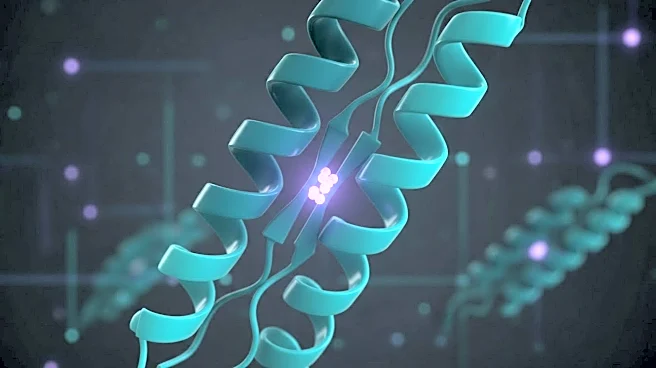
BioTechniques has published a report by Beaumont et al. detailing a novel method for studying protein-protein interactions in cell culture. This method combines TurboID, a proximity biotinylation technique, with protein co-immunoprecipitation to detect
both transient and stable protein interactions. The study focuses on proteins implicated in spinal muscular atrophy, demonstrating the method's potential to study disease-related changes and identify clinically relevant protein targets. The approach offers a comprehensive view of protein interactions, enabling comparison of interaction stability within the same system.
Why It's Important?
Understanding protein-protein interactions is crucial for deciphering cellular processes in health and disease. The new method provides a more detailed understanding of these interactions, which could lead to the identification of new therapeutic targets. This is particularly significant for diseases like spinal muscular atrophy, where understanding the molecular interactions can lead to better treatment strategies. The ability to study both transient and stable interactions offers a more complete picture of cellular dynamics, potentially accelerating drug discovery and development.