








What's Happening?
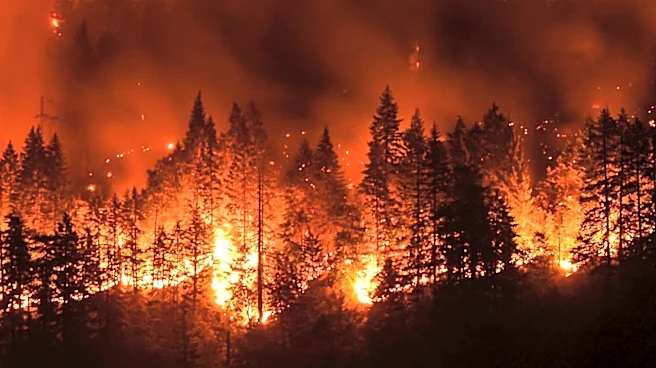
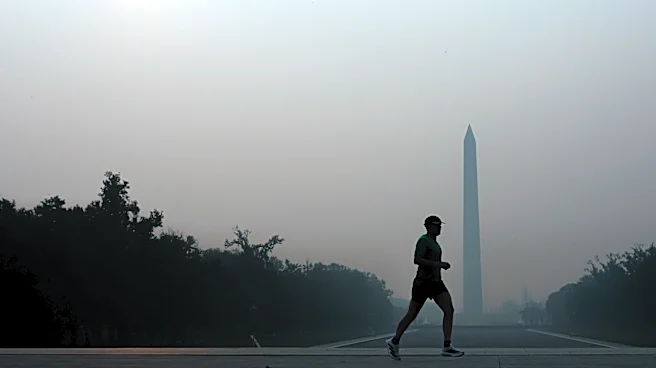
Consumer Reports has conducted tests on air purifiers to evaluate their effectiveness in combating indoor air pollution caused by wildfire smoke. As wildfires become more frequent, the smoke they produce can travel vast distances, affecting air quality
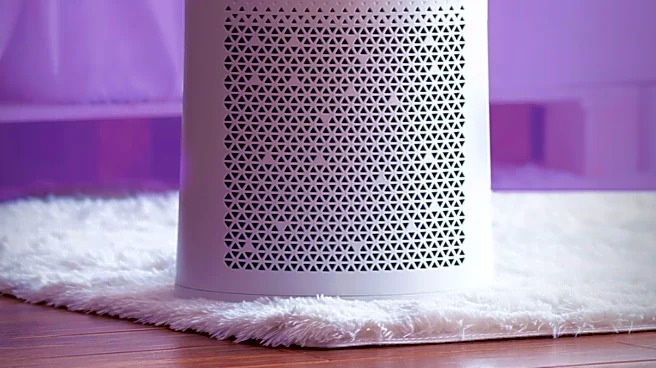
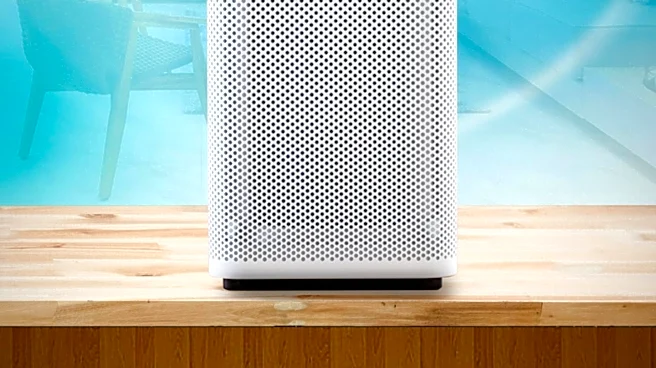
even in areas far from the fires. The report emphasizes that high-performing air purifiers are essential for maintaining indoor air quality. Among the top-rated models is the Blueair Blue Pure 211i Max, noted for its efficiency in removing smoke, dust, and pollen from larger rooms. The Honeywell InSight HPA5300B is also recommended, particularly when used at its highest fan speed. The report advises using air purifiers in conjunction with other measures, such as sealing windows and doors, to minimize smoke infiltration.
Why It's Important?
The increasing prevalence of wildfires poses significant health risks due to the smoke and fine particles they release into the air. These particles can lead to respiratory issues and other health problems, making it crucial to maintain good indoor air quality. Air purifiers serve as a vital tool in reducing exposure to these harmful pollutants, especially for vulnerable populations such as children, the elderly, and those with preexisting health conditions. By highlighting effective air purifier models, Consumer Reports provides valuable guidance for consumers looking to protect their health during wildfire season.
What's Next?
As wildfires continue to be a recurring issue, the demand for effective air purification solutions is likely to grow. Consumers may increasingly seek out high-performing air purifiers and other home modifications to safeguard their indoor environments. Manufacturers might respond by developing more advanced and affordable air purification technologies. Additionally, public health advisories may emphasize the importance of indoor air quality management during wildfire events, potentially influencing building codes and consumer habits.
Beyond the Headlines
The focus on air purifiers underscores a broader concern about indoor air quality, which can be affected by various sources beyond wildfire smoke, such as fireplaces, candles, and road pollution. This highlights the need for comprehensive strategies to improve air quality in homes, which may include better ventilation systems and public awareness campaigns. The growing awareness of air quality issues could also drive innovation in home design and construction, prioritizing features that enhance air purity and reduce exposure to pollutants.