





What's Happening?
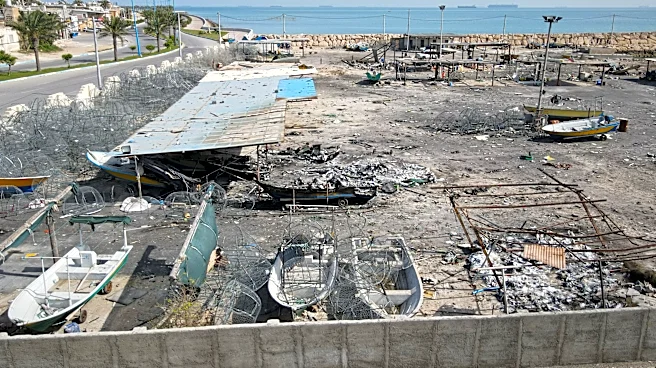
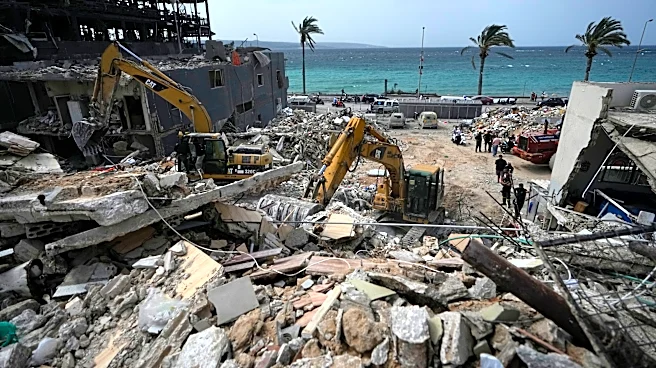
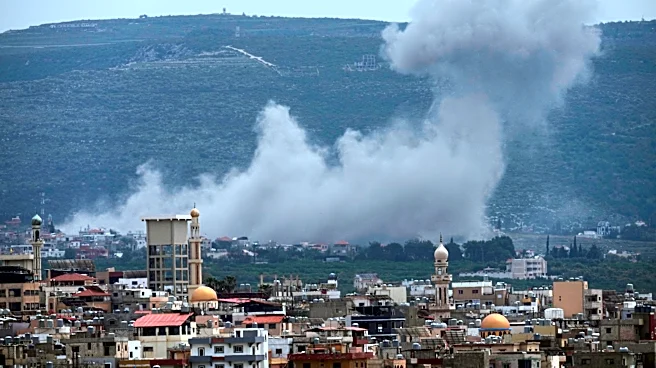
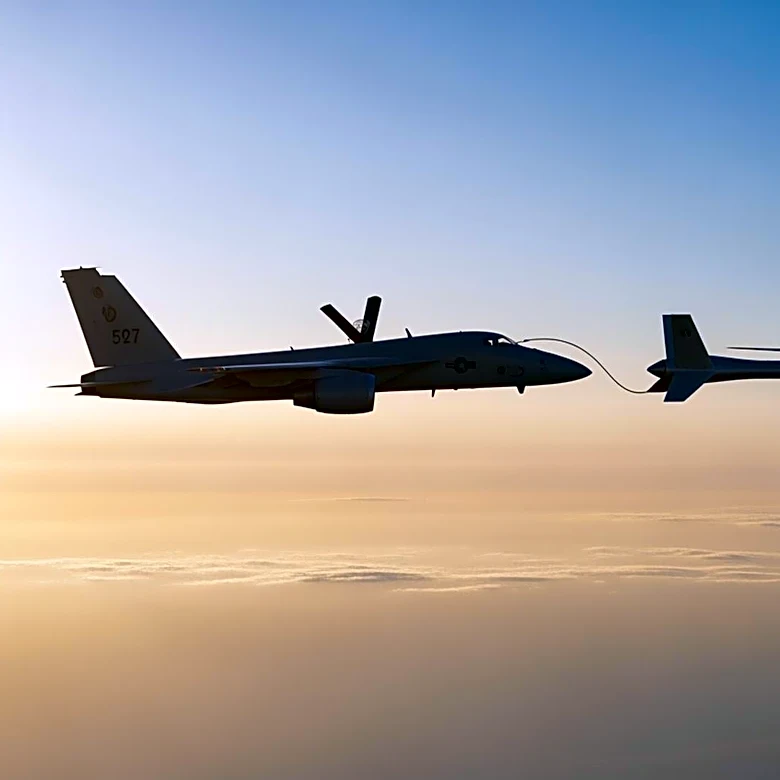
Iran has announced the reopening of the Strait of Hormuz for commercial shipping, following a temporary ceasefire between Israel and Hezbollah. Despite this, President Trump has stated that the U.S. naval blockade on Iran will continue. The blockade is part
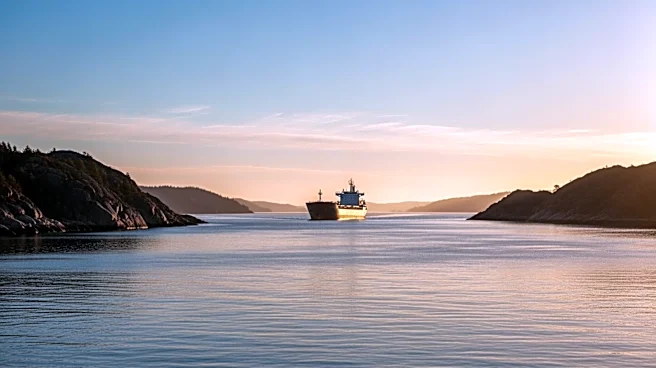
of ongoing tensions involving Iran, Israel, and the U.S., with the Strait of Hormuz being a critical passage for global oil and gas shipments. The reopening announcement led to a drop in oil prices and a rally in stock markets, reflecting the strait's importance to global trade.
Why It's Important?
The Strait of Hormuz is a vital waterway through which about 20% of the world's crude oil and natural gas pass. Its reopening is significant for global energy markets, which have been disrupted by the conflict. The U.S. blockade on Iran, however, continues to pose risks to regional stability and global energy supplies. The situation underscores the geopolitical complexities of the Middle East, where energy resources are often intertwined with international diplomacy and conflict.
What's Next?
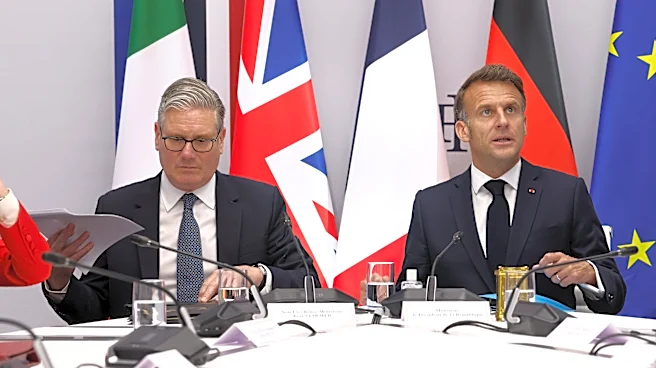
The continuation of the U.S. blockade suggests ongoing tensions with Iran, which may lead to further diplomatic negotiations or military actions. The international community, including leaders from France and Britain, is involved in discussions to ensure the safe passage of commercial ships and to address the broader implications of the conflict. The outcome of these talks could have significant impacts on global energy security and economic stability.