








What's Happening?
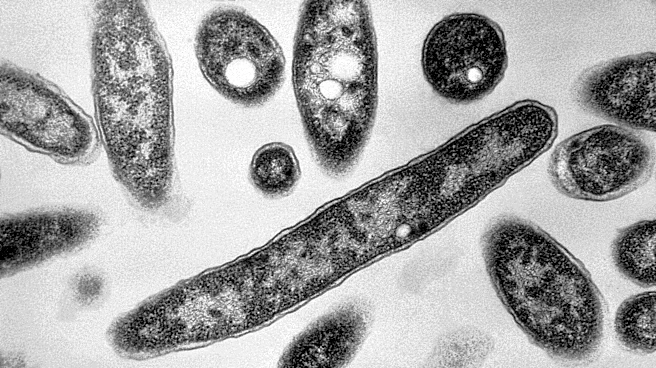
A Legionnaires' disease outbreak in New York City's Upper East Side has resulted in 63 cases, with new diagnoses slowing, according to health officials. The city's Department of Health and Mental Hygiene has identified traces of the Legionella bacteria
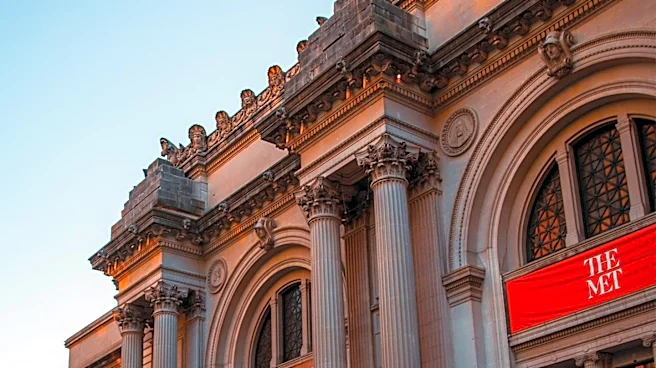
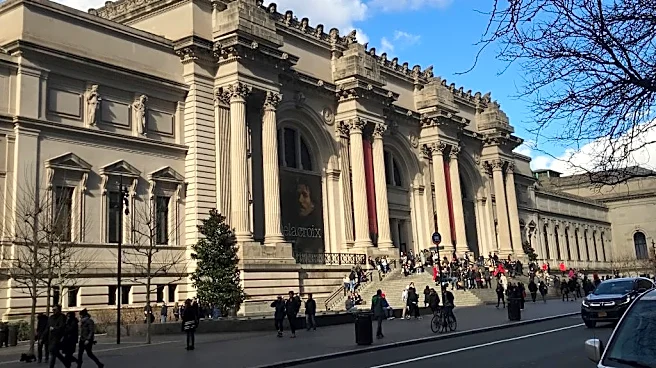
in several buildings, including the Metropolitan Museum of Art. Despite the outbreak, no fatalities have been reported, though 49 individuals required hospitalization, with 12 still hospitalized. The city has inspected all 183 cooling towers in the affected area, finding about 75 positive for the bacteria in initial tests. The Metropolitan Museum of Art is among the sites undergoing required cleanup and follow-up testing. The outbreak was first identified on July 2, and the investigation has expanded to include three residential ZIP codes.
Why It's Important?
The outbreak of Legionnaires' disease in a densely populated area like Manhattan's Upper East Side highlights the challenges of managing public health in urban environments. The disease, a severe form of pneumonia, can be fatal in about 10% of cases, underscoring the importance of swift identification and remediation of contamination sources. The involvement of prominent locations like the Metropolitan Museum of Art and other significant buildings raises concerns about the potential for widespread exposure. The city's proactive approach in not waiting for second-round test results before initiating cleanups reflects an urgent response to prevent further spread. This situation emphasizes the need for rigorous maintenance and monitoring of building cooling systems to protect public health.
What's Next?
Health officials are continuing their efforts to pinpoint the exact source of the Legionnaires' outbreak. The city plans to complete the cleanup of all affected cooling towers by Thursday. Ongoing monitoring and testing will be crucial to ensure that the bacteria are fully eradicated and to prevent future outbreaks. The situation may prompt a review of current health and safety regulations regarding building maintenance, particularly in high-density urban areas. Public health authorities may also increase educational efforts to inform residents and building managers about the risks and prevention measures associated with Legionnaires' disease.