






What's Happening?
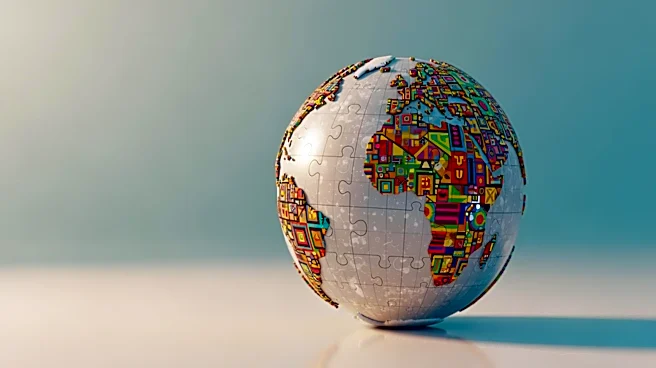
The international community recently observed the World Day for Cultural Diversity for Dialogue and Development, a day proclaimed by the UN General Assembly in 2002. This observance underscores the critical role that cultural diversity plays in sustainable
development, conflict prevention, and peacebuilding worldwide. The day serves as a reminder of the importance of intercultural dialogue, especially in an era marked by rising geopolitical tensions. UNESCO emphasizes that many global conflicts have cultural dimensions, which can be exacerbated by social media narratives. However, these platforms also offer opportunities for increasing intercultural engagement and reducing prejudice. The article highlights the benefits of intercultural dialogue, which include political legitimacy, social trust, and economic innovation. Track II diplomacy, involving informal interactions among nonstate actors, is cited as an effective strategy for conflict prevention, having been successfully applied in various global contexts.
Why It's Important?
Promoting cultural diversity and intercultural dialogue is crucial for fostering global peace and stability. Politically, it enhances government legitimacy and reduces alienation among minority groups, potentially lowering the risk of radicalization. Socially, it helps address stereotypes and build trust across communities, while economically, it fosters innovation and creativity, particularly in cultural industries like arts and tourism. The article also notes the role of countries like Saudi Arabia and the UAE in advancing intercultural platforms, aligning cultural engagement with national development goals. As conflicts rise globally, the international community is urged to invest in dialogue and learn from successful intercultural initiatives to build a more peaceful world.
What's Next?
The article suggests that the international community must continue to promote intercultural dialogue and cultural diversity to prevent conflicts and build peace. It highlights the need for countermeasures against the potential homogenizing effects of artificial intelligence and digital globalization, such as creating diverse training datasets and localized models. The ongoing efforts by countries like Saudi Arabia and the UAE in hosting intercultural initiatives and conferences are seen as positive steps towards fostering global norms of tolerance and coexistence.
Beyond the Headlines
The article touches on the double-edged impact of artificial intelligence and digital globalization on cultural diversity. While these technologies enable unprecedented cross-cultural exchange, there is concern that they may accelerate cultural homogenization, particularly due to the predominance of Western perspectives in AI training datasets. The article suggests that creating diverse datasets and localized models could mitigate these effects, ensuring that AI systems respect and promote cultural diversity.