
What's Happening?
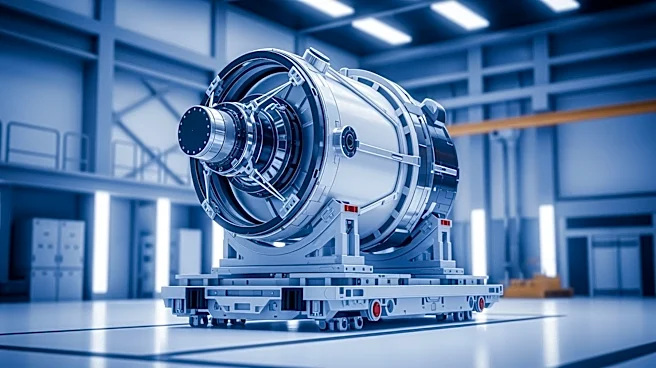
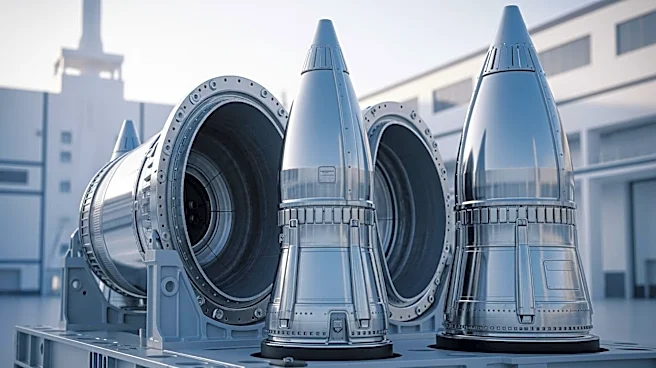
NASA is advancing its Artemis III mission with the shipment of the final booster motor segments for the Space Launch System (SLS) rocket. These segments, manufactured by Northrop Grumman, are being transported
from Utah to NASA's Kennedy Space Center in Florida. The SLS rocket, equipped with twin solid rocket boosters and the core stage's RS-25 engines, will generate over 8.8 million pounds of thrust. Artemis III aims to launch four astronauts aboard the Orion spacecraft, testing critical capabilities for future lunar missions. This mission is a key step in NASA's plan to return humans to the Moon.
Why It's Important?
The Artemis III mission is a pivotal component of NASA's broader Artemis program, which seeks to establish a sustainable human presence on the Moon by the end of the decade. The successful deployment of the SLS rocket is crucial for achieving this goal, as it will enable the transportation of astronauts and equipment necessary for lunar exploration. The mission's focus on testing rendezvous and docking capabilities is essential for future missions that will involve landing on the lunar surface. The progress of Artemis III underscores the importance of continued investment in space exploration and its potential to drive technological innovation and international collaboration.
What's Next?
As the final booster segments arrive at Kennedy Space Center, NASA will proceed with the assembly and testing of the SLS rocket in preparation for the Artemis III launch. The mission is expected to take place in the coming years, with further testing and validation of the Orion spacecraft and its systems. NASA will continue to collaborate with commercial partners and international space agencies to advance the Artemis program and its objectives. The success of Artemis III will pave the way for subsequent missions, including the first woman and next man landing on the Moon.
Beyond the Headlines
The Artemis program represents a significant shift in space exploration, emphasizing sustainability and international cooperation. By returning to the Moon, NASA aims to lay the groundwork for future missions to Mars and beyond. The program also highlights the growing role of commercial partnerships in space exploration, as companies like Northrop Grumman play a critical role in developing and supplying key components. The advancements made through the Artemis program have the potential to drive innovation across various sectors, from aerospace to materials science.