








What's Happening?
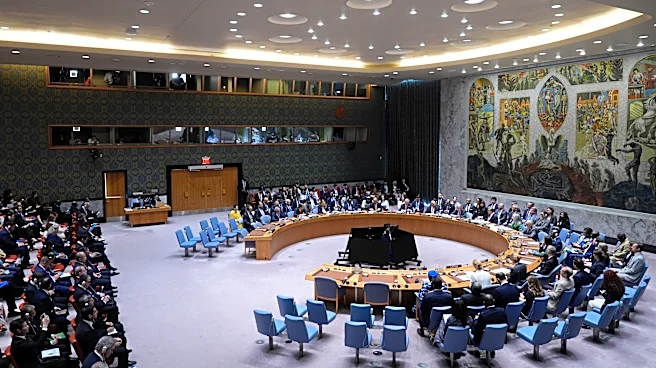
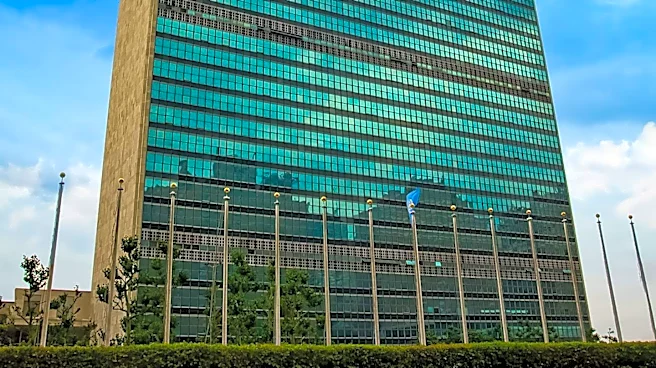
The United Nations has announced a comprehensive structural reform agenda aimed at addressing climate change and promoting sustainable development. The UN Secretary-General emphasized the urgent need for action to tackle the intensifying climate crisis,
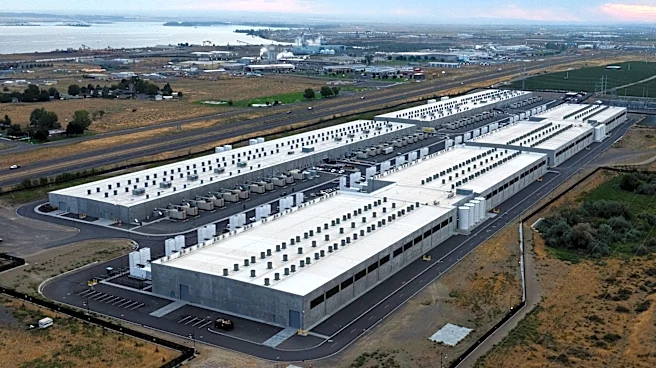
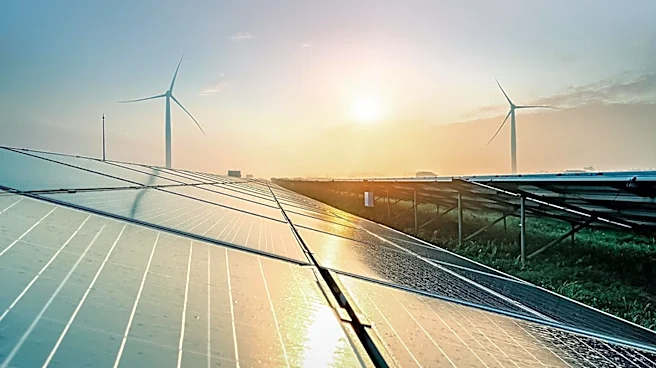
including measures to cut methane emissions, reduce reliance on fossil fuels, and accelerate the transition to renewable energy. The UN's blueprint includes expanding affordable funding for clean energy in developing countries, combating climate disinformation, and ensuring a just transition to clean energy that creates jobs and supports communities. Additionally, the agenda calls for phasing out fossil fuel projects, taxing fossil fuel profits, and requiring major AI companies to disclose the environmental impact of their operations and power them with renewable energy by 2030.
Why It's Important?
The UN's reform agenda is significant as it addresses the global challenge of climate change, which has far-reaching implications for economies, societies, and ecosystems worldwide. By promoting a transition to renewable energy, the agenda aims to reduce greenhouse gas emissions and mitigate the impacts of climate change. This transition is crucial for achieving sustainable development and ensuring energy security, particularly for developing countries that face higher borrowing costs and are often excluded from the clean energy revolution. The agenda also highlights the importance of protecting vulnerable communities and ensuring a fair transition that benefits all stakeholders, including workers and local communities.
What's Next?
The UN's agenda sets a clear trajectory for future actions, including the need for developed countries to deliver on their commitments to double adaptation finance and support the green transition at scale and speed. The agenda calls for increased investment in climate resilience and adaptation measures to protect those most vulnerable to climate impacts. Additionally, the UN urges support for science and early warning systems to tackle climate disinformation and protect environmental journalists and human rights defenders. The implementation of these measures will require political leadership and international cooperation to achieve the ambitious goals set by the UN.
Beyond the Headlines
The UN's agenda also addresses the ethical and cultural dimensions of climate change, emphasizing the need to protect forests, restore degraded ecosystems, and safeguard oceans. The agenda highlights the interconnectedness of nature and humanity, stressing that ending dependence on fossil fuels must go hand in hand with protecting the natural world. This holistic approach underscores the importance of investing in nature-based solutions to secure a sustainable future for both people and the planet.